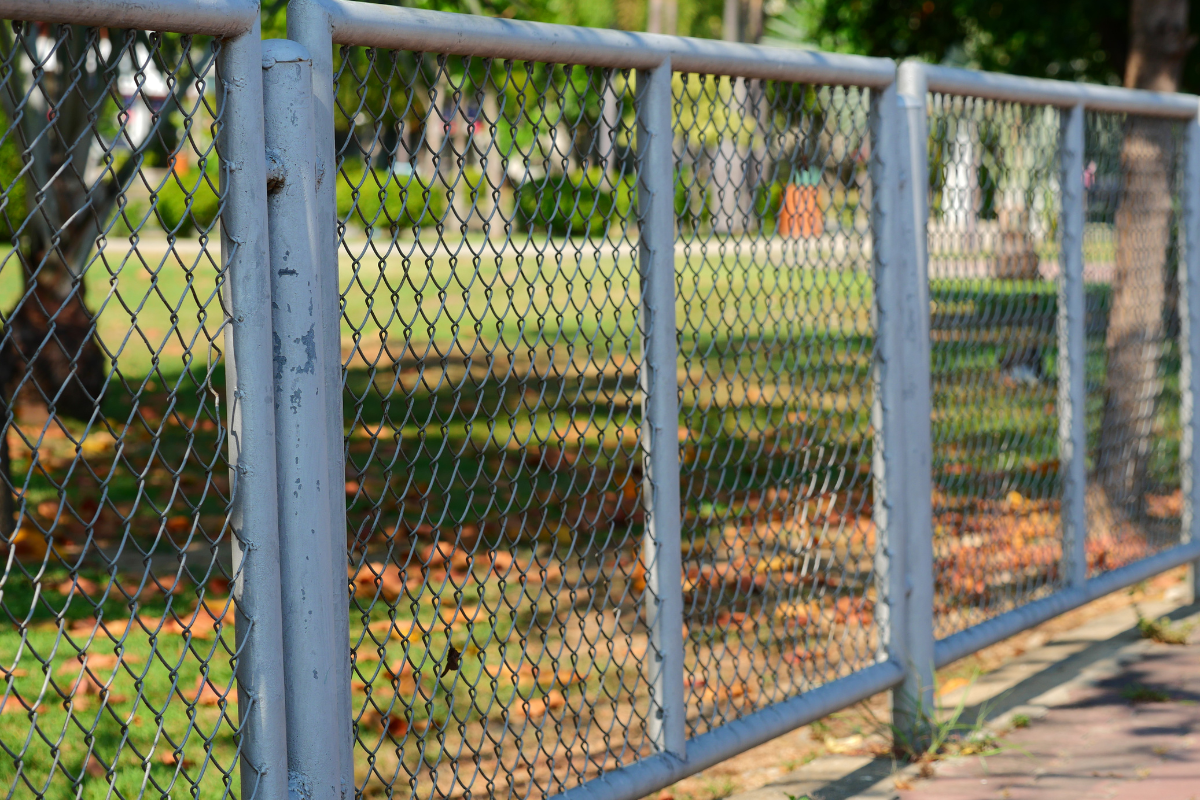
Chain link fencing exists in that sweet spot where function, cost, and speed meet. Done well, it keeps pets and children safely corralled, secures equipment yards and substations, and defines property lines without looking overbuilt. Done poorly, it waves in the wind, sags in a year, and becomes a maintenance headache. The difference usually comes down to planning, soil awareness, and disciplined installation. After years of watching jobs go right and a few go sideways, I’ve collected a set of practices that consistently deliver strong, straight, long‑lasting results.
Start with a clear purpose and a measured perimeter
A fence that aims to keep a husky in the yard has very different requirements than a temporary barrier around a jobsite. Before contacting a chain link fence contractor or ordering material, write down what the fence has to do, what you expect it to look like, and what you can spend. Security, containment, and durability are the core drivers. If you want privacy, factor in slats or a windscreen and understand how those add wind load. If you want 25 years of service, upgrade coatings and hardware now rather than piecemeal later.
Walk the entire line with a tape, a long measuring wheel, and a can of high‑visibility paint. Mark corners, gate openings, and transitions in height. Note elevation changes, tree roots, irrigation lines, and utility meters. Small adjustments to line layout can save hours of digging and hundreds of dollars in hardware. Get a survey if the property line is fuzzy. Good chain link fencing services will advise you to locate pins and pull a string line before the first hole goes in the ground.
Permits, codes, and neighbor expectations
Municipal rules vary, but you may face height limits, setback rules, and visibility requirements near driveways and corners. Many cities allow six feet in backyards and four feet in front yards. Double‑check corner visibility triangles so you don’t create a traffic hazard. If you plan barbed wire or a privacy screen, confirm those are permitted in your zoning. For HOAs, submit your plan early. With neighbors, a conversation beats a letter. Show them the line, the height, and the gate locations. Half the disputes I’ve seen vanish when the line is staked and everyone can visualize the finished fence.
Call 811 or your local utility marking service at least a few days ahead. Hit a gas line once and you won’t forget again. Mark private utilities that the locator won’t catch, such as sprinkler mains, low‑voltage lighting, and septic systems. I’ve watched crews ruin a hedge and a sprinkler manifold because the property owner assumed someone else would mark it.
Material choices that pay you back
Not all chain link is created equal. Fabric comes in different gauges, mesh sizes, and coatings. Framework and fittings have similar choices. Selecting the right combination for your environment and use case will determine how often you need chain link fence repair down the road.
Fabric gauge and mesh size matter. Residential projects often use 11 or 11.5 gauge with a 2 inch mesh in galvanized finish. For more security, go to 9 gauge. If you plan a windscreen, that fabric sees more force, so heavier mesh is worth it. For sports facilities, 2 inch mesh is common around outfields, but backstops and tennis courts often drop to 1.75 inch to keep balls from wedging into the mesh.
Galvanized versus vinyl coated is a practical question. In coastal areas and high‑salt environments, I specify aluminized or hot‑dip galvanized after weaving, or a quality PVC‑coated fabric over a galvanized core. The vinyl adds some cost but protects against corrosion and is quieter when the wind kicks up. If you expect pets to jump, look for knuckle‑knuckle selvage at the top to avoid snags, and consider twist at the bottom for security.
Posts and rails should suit the load. Residential line posts often land around 1 5/8 inch outside diameter, with top rails at the same size and terminal posts at 2 1/2 inches. That works for a four to five foot fence without privacy slats. Go heavier for taller fences or when adding a windscreen. Terminal posts shoulder the load at corners, ends, and gates, so don’t skimp. I’ve seen 2 1/2 inch terminal posts hold a 12 foot gate in calm weather and then flex under a 40 mph gust with a full‑size windscreen. In that case, upgrading to 3 inch terminals and deeper footings kept the gate behaving.
Fittings and tensioning hardware are the difference between a fence that stays tight and one that sags. Use steel tension bars that match the height of your fabric, heavy tension bands, and quality brace bands for line braces. Swap thin, crimp‑prone wire ties for aluminum ties or coated steel where appearance matters. If the budget allows, stainless hardware in coastal zones avoids the unpleasant look of rust streaks on vinyl‑coated fabric.
Gates deserve their own thought. Single walk gates are straightforward, but vehicle gates need clear width, solid posts, and careful hinge selection. A 12 foot double‑swing looks clean and is cost‑effective, yet in tight driveways you may prefer a cantilever slide gate to avoid swing arcs. For a small business yard, a 24 foot slide gate with a V‑track and a 5 inch bottom roller has kept traffic flowing despite snow banks that would paralyze a swing gate.
Soil awareness is half the battle
Footing depth and concrete design should follow soil conditions and frost lines. In heavy clay, water lingers and exerts seasonal pressure. In sandy soils, posts can loosen if you don’t bell the bottom of the hole. And in rocky ground, drilling a straight, clean hole becomes the day’s main challenge.
For frost zones, bring posts below the frost line by at least a few inches. When frost heave pulls on shallow footings, the fence undulates like a snake. I aim for 30 to 36 inches deep in most northern locations for six foot fences, and deeper at gates and corners. In warm climates with stable soils, 24 inches can be enough for shorter fences, with gate posts deeper. If you add a full privacy screen, increase both depth and diameter.
A throat‑to‑shoulder bell shape in the bottom third of the hole resists uplift. On sandy sites, I flare the bottom with a clamshell digger or post‑hole auger and hand spade. In clay, I avoid overworking the sidewalls, which can smear and create a slick surface that rejects bond. In any soil, I clear loose fines before setting posts to avoid settling.
Layout that stays true when the concrete sets
Take the time to get strings tight and square. Set a building line with stakes well beyond your end posts so you can remove the posts without losing the string reference. Use a builder’s level or laser to mark post heights, especially on sloped sites where the fence will step or follow grade.
Corners and gate openings go in first. Set terminal posts at these points, then run your string lines on the outside of the posts if you want the fabric flush to the property line, or on the center if you need room for neighboring hedges. Measure the spans between corners and divide by your target post spacing. Typical line post spacing is 8 to 10 feet, but wind loads and soil conditions dictate the final number. I lean toward 8 feet in windy corridors, 10 feet in sheltered suburban yards. Better to add one more post and sleep well when the nor’easter arrives.
On slopes, decide to step or rake. Stepped fences look squared and stair‑like, which works for large pitches or where you want the top rail level in sections. Raked fences follow the grade, which reduces gaps at the bottom but requires angled cuts on fabric or angled fittings for rails. With pets, gaps matter more than clean lines, so a raked fence often makes sense up to a point. Beyond a 10 percent slope, stepping avoids awkwardly stretched fabric and twisted fittings.
Concrete mixing, placement, and finishing for durability
Dry‑packing bagged concrete into a hole and spraying water can work for small residential jobs in dry soils. It can also leave voids and weak collars around posts. For chain link fence installation that must stand against wind, I prefer mixed concrete, either from a mixer or delivered. A 3,000 to 4,000 psi mix is standard. In hot weather, keep the slump moderate so you don’t wash the hole sides.
Set posts with blocks and braces so they stay true while the concrete cures. I plumb both directions with a 4‑foot level, check against the string line, and set the concrete slightly crowned to shed water away from the post. At gates, let the concrete cure at least 48 hours before hanging a heavy leaf. In winter, protect footings from freezing during the first few days with blankets or straw. Freezing water expands and micro‑cracks your bond before the fence even goes into service.
For projects where you can’t pour concrete, such as over utilities or in a narrow easement, driven posts are an option. With driven posts, a top rail is mandatory, and you’ll want heavier wall thickness. The initial cost may drop, but you trade some long‑term rigidity. A reputable chain link fence company will tell you when driven makes sense and when it is a false economy.
Bracing and tensioning that resists real‑world loads
Corners, ends, and gates carry the forces of stretched fabric and wind. A simple horizontal brace with a diagonal truss rod between the terminal post and first line post resists pull. On taller fences or with privacy screens, I add a second brace rail at mid‑height or upgrade the truss rod gauge. You can feel the difference when you tension the mesh. The terminal posts barely move, the wire hums, and the top rail stays straight.
Install the top rail before fabric. Sleeve connections should point away from traffic, and rail ends should sit fully into the rail end cups. On long runs, expansion gaps keep the rail from binding in hot weather. A rail that pinches and bows will telegraph as ripples in the fabric. For heavy‑use areas, a mid‑rail or bottom rail adds stiffness and discourages dogs from pushing out. If you opt for a tension wire instead of a bottom rail, use 7 gauge or heavier and tie every two feet to keep the fabric snug to grade.
Tension the fabric with a come‑along and a stretcher bar that grabs at least 12 to 18 inches of mesh for even pull. Tension until the diamonds barely lose their shape and the fabric lies flat to the posts and rails, then secure with tension bands at terminals and wire ties along the line posts and top rail. Don’t over‑tension, which will warp the top rail and create waves. On a 100 foot run, I connect every line post with at least three ties and every 18 to 24 inches along the top rail. For sports fences, I reduce spacing to 12 inches so athletes can lean or crash into the fabric without blowing out ties.
Gates that swing true season after season
Gate posts should be heavier and set deeper than line posts. I keep 3 inch or 4 inch posts for double drive gates and pour larger footings with rebar. Hinges matter. Adjustable ball‑bearing hinges give you fine tuning and long life. Cheap strap hinges save money on day one and cost you visits later when the gate sags.
When laying out a double swing gate, plan for a center drop rod and sleeve set flush with grade. If snow is a factor, install the sleeve slightly proud and bevel concrete around it so meltwater drains. Leave an inch or two of ground clearance depending on the surface. On gravel, more is safer. On concrete, closer looks better and keeps small pets in.
For cantilever slide gates, the counterbalance section should be at least half of the opening width. A 20 foot opening often needs a 30 foot gate frame. Use nylon cantilever rollers with sealed bearings, align posts plumb and parallel, and square the frame before stretching fabric. Add a panic hardware option on walk gates serving egress paths where codes demand it.
Privacy add‑ons and wind behavior
Privacy slats, composite infills, and windscreens change the physics of your fence. A fence that behaved perfectly as open mesh starts to act like a sail. If you plan to install a full screen, treat the design more like a solid panel fence. Increase post diameter and wall thickness, reduce spacing, deepen footings, and add braced panels. If you’re retrofitting slats to an existing fence, do a reality check. On a breezy ridge, filling in a six foot fence with slats might lift gate posts or bend top rails the first time a storm rolls through.
If your goal is partial privacy, staggered slats or a 70 percent windscreen can take the edge off without fully loading the structure. In one warehouse yard, we replaced a torn 100 percent screen with a 70 percent material and added a mid‑rail. The screens survived two winters that shredded the previous version.
Common pitfalls and how to avoid them
Most call‑backs stem from a handful of mistakes. Posts set shallow, corners under‑braced, fabric under‑tensioned, and hardware mismatched to conditions. Another frequent issue is bottom gaps on uneven ground, which becomes a pet escape route. I keep a small inventory of short fabric strips and tension wire to custom‑fit problem spots. On steep transitions, stepping by one mesh diamond increments and tying snug to the tension wire yields a neat, secure bottom line.
Drilling through landscaping without a plan is another regret. Protect roots where possible. If a post location lands on a major root, shift the line a few inches and document the deviation. Explaining to a homeowner why the fence jogged a few inches is a lot easier than explaining why the shade tree is dying.
Finally, rushing concrete cure times before hanging heavy gates leads to sag. Even in summer, give it two days. In cold snaps, give it three or four and insulate the footing.
Maintenance habits that extend service life
Chain link has a reputation for low maintenance, and that’s mostly true. A small investment in routine checks keeps you out of the repair business. Walk the line every spring. Re‑tie loose sections, especially around high‑traffic corners and gates. Check gate hinge bolts and latch alignment. Oil moving parts with a light, non‑staining lubricant. If you see rust at cut ends or scrapes on vinyl fabric, clean and touch up with a compatible coating.
Weeds and vines love fence lines. They add weight, trap moisture, and make future repairs miserable. A narrow gravel strip under the fence discourages growth and improves drainage. Where a trimmer will be used, guard posts with protective sleeves or keep a respectful distance to avoid chewing into coatings.
When damage occurs, address it early. If a car clips a section, don’t just straighten rails and walk away. Replace bent rails, swap distorted fabric, and check footings for movement. A professional chain link fence repair avoids the patchwork look and restores structural integrity. This is where a good chain link fence contractor earns trust. They carry the fitting variety and the habit of tensioning fabric to original lines rather than to the shape it settled into after impact.
Working with a contractor versus DIY
Plenty of homeowners can install a 50 foot backyard fence with rental gear and a few weekends of effort. The learning curve is real, but the work is straightforward. Challenges creep in with slopes, gates, long runs, and privacy screens. Professional chain link fencing services bring punch‑post drivers, gas augers, transit levels, and a truck full of fittings that turn an awkward field fix into a five‑minute adjustment. They also know when city inspectors expect bottom rails near public sidewalks or require self‑closing latches around pools.
If you hire a chain link fence company, ask specifics. What post size and wall thickness are you using? How deep are footings, and what mix? How many ties per post and along rails? What bracing at corners? If you’re adding a windscreen, how are you compensating for wind load? A contractor who answers in clear terms will build you a fence that stays put. The cheapest bid usually shaved material where you won’t see it right away.
Real‑world timelines and budgeting
A standard residential install of 150 linear feet at four to five feet high, with one walk gate, often takes a two‑ or three‑person crew a day to set posts and a second day to hang fabric and hardware. Add a day if you need to clear brush or deal with rocky digging. For budget planning, galvanized fabric and framework runs significantly less than vinyl‑coated systems. Upgrades like black PVC‑coated fabric, matching black powder‑coated framework, and decorative caps deliver a clean look but add to cost. If you’re weighing options, invest first in structural upgrades that resist wind and weather, then add aesthetic touches as budget allows.
For commercial yards, plan staging and security during the install. If you’re removing old fence, coordinate so the site is never wide open overnight. A seasoned chain link fence contractor will phase the job so that terminal posts and critical gates go in early, then fabric follows without long gaps. On a logistics yard we fenced last year, we worked in 100 foot segments, removed and replaced each section in a single day, and kept the client’s operations secure.
Weather, seasons, and the small judgment calls
I’ve set posts in July heat when concrete skins over in minutes and in January cold when your breath fogs the level vial. In heat, keep materials shaded, mix smaller batches, and add shade cloth if you’re doing a long tension run. Fabric stretches https://lanevsqy502.tearosediner.net/chain-link-fencing-services-with-warranty-coverage a touch more in the heat, so retension early mornings if you notice slack. In cold, allow extra cure time and avoid wet backfill that freezes into voids.
Wind shapes every decision. A fence that faces prevailing winds should have posts set deeper and closer. Think about the fetch, or the distance wind travels over open ground before it hits your fence. A field with a half‑mile fetch drives gusts harder than a suburban block. These small, site‑specific calls separate robust installations from ones that keep you awake during storms.
A concise pre‑dig checklist
- Verify property lines, obtain permits, and clear HOA approvals. Call utility locates and mark private lines, plan around irrigation. Stake corners, gates, and height changes, then set and tension string lines. Confirm material specs: post sizes, fabric gauge, coatings, hardware counts. Plan wind load strategy if adding slats or screens: footing depth, spacing, bracing.
When to reinforce and when to redesign
Some sites fight you. A fence atop a retaining wall with no room to drill deep footings invites creative solutions. Core‑drilling into the wall and epoxying post sleeves can work if the wall was engineered for that load. Otherwise, consider offset posts behind the wall with longer arms or panels mounted to structural steel. In wetlands or floodplains, plan for water. Set posts deeper with riprap collars and use heavier bottom tension wire to keep debris from prying the fabric up during high water.
If you are securing a high‑value yard, chain link might be part of a layered system. Add outriggers with barbed wire, tensioned bottom rails, and, where allowed, anti‑climb toppings. In those cases, involve a chain link fence company with experience in industrial sites. They will help you balance deterrence, repairability, and code compliance.
Sustainable choices and end‑of‑life thinking
Galvanized steel and aluminum components are recyclable. When replacing an old fence, separate components as you remove them and send metal to recycling. Choose coatings with longer intervals between maintenance, which reduces solvent use over time. Where you use windscreens, opt for UV‑stable materials that won’t end up as shredded plastic after two summers. Small choices in the spec phase reduce waste and replacement frequency.
Final thoughts from the field
The best chain link fences look simple because the builder did the hard thinking early and executed carefully. Good soil decisions, properly sized posts and footings, solid bracing, and even tensioning make the difference. If you’re doing it yourself, give yourself time to set clean lines and square corners. If you’re hiring, press your chain link fence contractor for details until you trust their judgment matches the site. A well‑built chain link system is honest work: straightforward, tough, and capable of quietly doing its job year after year.
Southern Prestige
Address: 120 Mardi Gras Rd, Carencro, LA 70520
Phone: (337) 322-4261
Website: https://www.southernprestigefence.com/