Security starts at the perimeter. For commercial properties, that boundary sets the tone for risk management, access control, and day‑to‑day operations. Chain link fencing has earned its reputation because it delivers reliable security at a predictable cost, scales to large footprints without drama, and adapts to the odd corners and utilities that tend to show up on real job sites. When installed and maintained by an experienced chain link fence contractor, it becomes more than a barrier. It integrates with gates, surveillance, and procedures to create a perimeter you can trust.
This is a practical guide to using chain link fencing for commercial security, based on field experience across warehouses, utilities, schools, logistics yards, and light industrial sites. It covers planning, specification, chain link fence installation details, and the trade‑offs you will face along the way, along with where chain link fence repair and upgrades typically pay off.
Why chain link works for commercial security
A good security barrier slows down bad actors, channels visitors, and withstands weather and wear without constant attention. Chain link fencing does those jobs by combining visibility, strength, and modularity.
Visibility is not a minor point. With opaque barriers, intruders can hide, patrol routes lose sightlines, and cameras have blind spots. Chain link allows security staff and cameras to see through the fence while still imposing a real delay to climbing or cutting. That transparency also supports safety near vehicle lanes and pedestrian paths because drivers and walkers can anticipate movement on the other side.
Strength per dollar still matters on big sites. For a 1,000‑foot perimeter, switching from a high masonry wall to an industrial chain link system can mean the difference between a feasible project this quarter and a multi‑year wish list. Properly specified mesh gauge, framework size, and footings resist deformation and abuse without becoming overbuilt. A smart chain link fence company can dial in that balance so you get the most performance out of each dollar.
Modularity is the quiet advantage. You can add bottom rails where wildlife or contraband is a concern, tilt the top rail outward for more anti‑climb effect, or retrofit privacy slats where neighbor relations require screening. Gates, operators, and access control devices bolt onto the same framework. If a truck backs into a section, you can replace that panel without tearing out the entire run.
Understanding the anatomy of a chain link system
The mesh grabs attention, but the framework carries the load. Knowing what each component contributes helps you weigh options and spot shortcuts before they become problems.
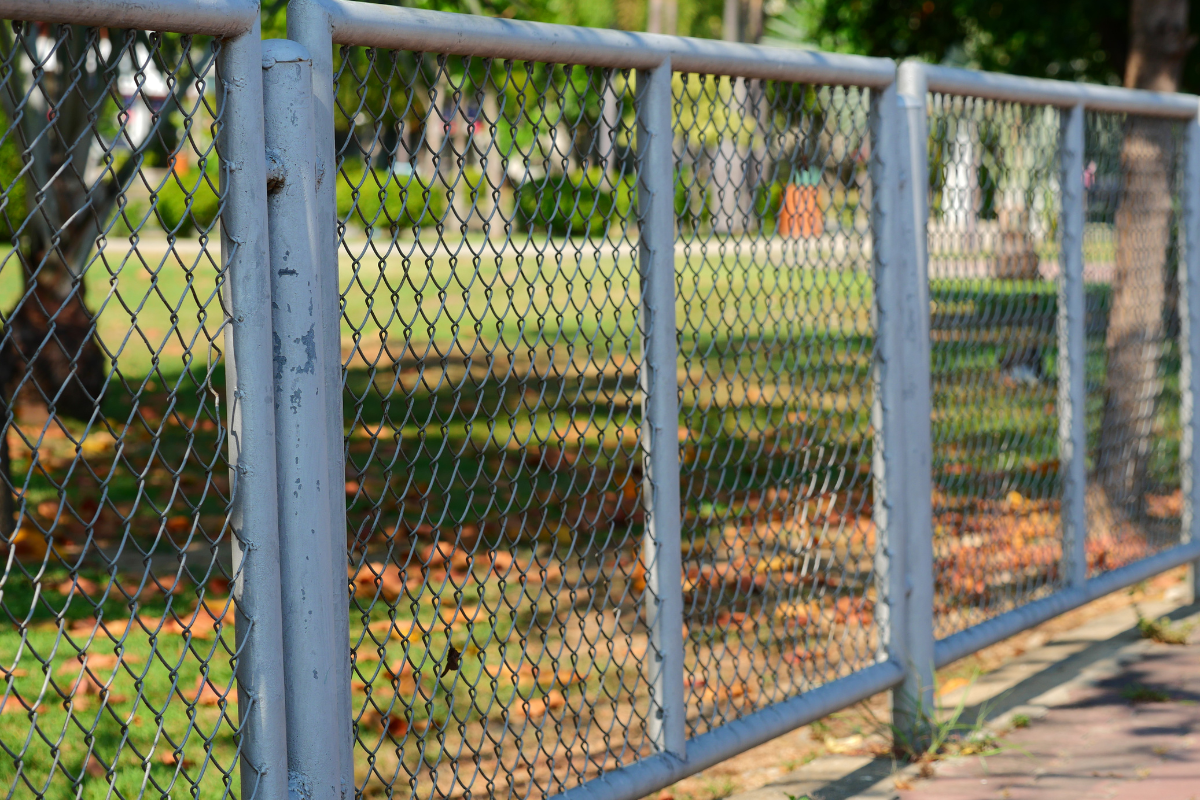
Posts take vertical and lateral forces. In commercial settings, terminal posts at corners and gate openings do the heavy lifting and are typically larger diameter and heavier wall than line posts. For an 8‑foot fence, a common framework might use 2 1/2 inch outer diameter line posts with 3 inch or larger terminal posts. Thicker walls, measured in gauge or schedule, make a real difference against wind and impact.
Rails and braces tie the posts together. A top rail prevents the mesh from sagging, and, in higher security applications, a bottom rail or tension wire keeps the fabric tight to grade. Mid rails or braces are common on fences taller than 8 feet or where the fence is exposed to sustained winds.
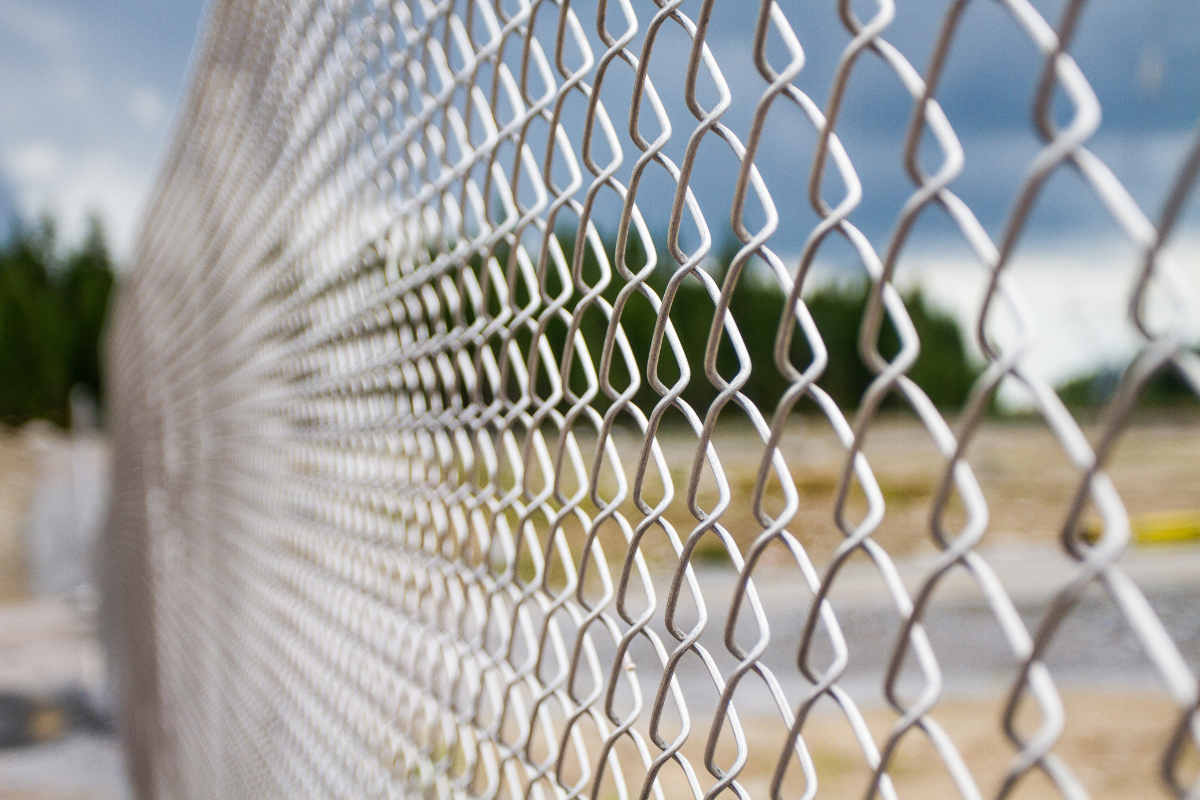
Fabric does the obvious job of being the barrier. Commercial chain link fabric typically ranges from 6 to 9 gauge, with smaller gauge numbers being thicker. Two inch diamond openings are standard, though smaller diamonds such as 1 inch are used for anti‑climb or high‑security areas. Galvanized fabric handles most industrial environments. If corrosion is a persistent issue, like along salt‑treated roads or coastal air, vinyl‑coated fabric adds a protective layer and a cleaner appearance.
Coatings protect steel from the elements. Hot‑dip galvanizing is the common baseline. You can specify a heavier zinc coating weight for longer life. Powder coated framework plus vinyl‑coated fabric adds durability and brand‑friendly color. Coatings do more than look good, they reduce the frequency of chain link fence repair by slowing rust at cuts, ties, and welds.
Footings and anchors keep the fence upright. In frost zones, concrete footings extend below the frost line, often 30 inches or more. In warm, sandy soils, bell‑shaped footings or deeper piers might be necessary. For paved yards where digging is limited, core drilling through asphalt or concrete is a clean solution if coordinated with the site plan. Surface‑mounted base plates have their place on decks or atop walls, but they rely on a sound substrate and meticulous anchoring.
Hardware ties the system together. Tension bars, bands, ties, and gate fittings are the small parts that either make a fence crisp and solid or flimsy and fussy. Stainless or galvanized hardware prevents weak points. On gates, heavy‑duty hinges, adjustable rollers, and robust latches keep daily operations smooth.
Matching fence height and features to risk
Height alone does not create security, but it gives you time and leverage. For light commercial sites with low theft risk, a 6‑foot fence with outward‑facing barb wire might deter casual trespass. Warehouses and logistics yards often specify 8 feet clear, sometimes 10, to slow climbers and to align with camera fields of view. Critical infrastructure, utilities, and data centers commonly demand 8 to 12 feet, smaller mesh, and additional deterrents like barbed or razor wire, canted outriggers, or anti‑climb panels at high‑risk sections.
Visibility, again, plays into risk. Privacy slats add screening but also give a foothold. If you need screening, consider smaller diamonds to reduce toe holds, select slats with locking features, and pair with anti‑climb outriggers on the secure side. If the site depends on camera analytics, keep slat density moderate so motion detection remains reliable.
Gates matter as much as the run. Sliding cantilever gates are the workhorses of truck yards because they avoid ground tracks that clog with gravel or ice. Swing gates work well for smaller openings with predictable traffic. Think of the gate as a machine, not just a piece of fence. Specify operators with cycle ratings that match your volume, add safety edges and photo eyes, and ensure the gate frame is braced for wind loads with slats installed, not just bare mesh.
Planning the project without derailing operations
Commercial sites rarely stop for construction, so a chain link fencing project needs to be staged. Work with your chain link fence contractor to draft a phasing plan that maintains a secure perimeter while building the new one. It is common to install new interior lines just inside the existing fence, then cut over overnight or during a planned low‑traffic window.
Survey and utilities should not be an afterthought. On older industrial parcels, undocumented utilities snake through the yard. Call utility locates early, then pothole critical points. A single unmarked fiber line can put your project on hold and add thousands in repair costs if damaged. Property lines near shared alleys or easements deserve a licensed survey rather than a best‑guess tape measure.
Access control integrations need early coordination. Card readers, keypads, intercom pedestals, and loop detectors work best when conduit paths are planned before post holes are dug. Where power and data are scarce, solar gate operators with battery backups can solve distance issues, but they require careful alignment and maintenance access.
Weather and lead times influence schedule. Galvanized framework is usually stocked, but color‑matched powder coat runs or custom gate widths can carry lead times of three to six weeks. If your window is tight, ask your chain link fence company to lock materials early. Concrete curing time is another hidden constraint. Posts set in standard mixes need at least several days before full tensioning and gate hanging. In winter, additives and insulated blankets may be necessary.
How a strong installation looks in the field
There is a difference between a fence that looks fine on day one and one that still looks crisp after five winters and six forklift scrapes. The difference comes from fundamentals during chain link fence installation.
Layout starts with a string line that acknowledges the real ground. Lines that follow wildly uneven grade telegraph sloppiness. For rolling ground, stepping the fence at terminals can preserve tension and clean lines. On long runs, offset posts a few inches within the property line at turns to maintain straight tension pulls and avoid bowing.
Footings are dug to spec, not to convenience. In clay, clean the sides so concrete bonds. In sand, bell the bottoms to resist uplift. Posts are plumbed and braced until the concrete grabs. Dry‑pack shortcuts cost later, especially where frost heaves and heavy winds work on the posts.
Fabric is stretched consistently. Good crews use come‑alongs and stretcher bars at appropriate intervals. You should see fabric that tracks level with uniform diamond shape, not distorted or pinched. Ties are spaced closer near gates and corners because abuse concentrates there. Bottom tension wire is placed on the secure side to frustrate prying.
Transitions are detailed, not improvised. Where a fence meets a building, a sleeve with a gasket or a surface‑mounted angle keeps out debris without creating a pinch point. Over culverts or drains, custom panels with removable pins allow access without cutting the fence later. On slopes, bias‑cut fabric maintains diamond integrity instead of jagged piecing.
Gates are tuned like equipment. The frame is square, the rollers align, and the operator glides without binding. After a week of settling, a good contractor returns for a quick adjustment. That follow‑up visit prevents premature wear on motors and hinge pins.
Security enhancements that change performance
Base chain link is a starting point. Risk profiles and regulations often demand additional features. Choosing wisely can add real delay to breach attempts without breaking the budget.
Barbed wire or razor ribbon provides a simple deterrent at the top line. Local codes can be particular about height, placement, and whether wire can face outward near public sidewalks. Where codes allow, a 45‑degree outward cant with three to six strands creates both a psychological and physical barrier.
Anti‑climb options include smaller diamond sizes, taller posts with canted outriggers, and vertical pales or welded wire sections at high‑risk zones like gates. Some sites add a smooth bottom rail to eliminate footholds along the ground, while others prefer a tight bottom tension wire combined with concrete mow strips that seal gaps and reduce vegetation.
Privacy and wind management can be combined. Slats, mesh screens, or architectural panels reduce visibility and wind load differently. Slats are economical and easy to replace, but they add sail area. High‑wind sites benefit from open‑area screens that break gusts without turning the fence into a sail. If you expect storm‑force winds, ask your chain link fence company for calc‑based post sizing with screening installed. It is cheaper to size for wind than to replace a toppled run.
Electronic detection elevates the fence from passive to active. Vibration sensors, fiber optic cables, or microphonic lines woven through the fabric detect cutting and climbing. They pair with cameras that swing to the zone and trigger alerts. If you pursue detection, design clean, vibration‑isolated gates and avoid loose ties that generate nuisance alarms.
Animal and wildlife control is a specialty within security. For distribution centers near open fields, burrowing animals create gaps. Add a buried apron of fabric or a concrete mow strip to block digging. Where deer pressure is high, extra height plus outriggers prevent jump‑overs.
Cost drivers and where to invest
Prices move with steel, coatings, and labor, so any figure here would age quickly. The structure of cost, however, remains steady. Material weight, height, coatings, and gates drive the budget. Labor escalates with terrain, utilities, and access.
If you must prioritize, put money into taller posts with heavier walls, quality gate hardware, and corrosion protection tailored to the site. Those investments pay back with fewer service calls and longer intervals between chain link fence repair. If an aesthetic upgrade is important, powder coat framework before you buy thicker slats or architectural panels. The coating steps up appearance without complicating wind loads or maintenance.
Avoid false economies. Skipping bottom tension wire invites pry‑ups. Undersizing terminal posts leads to leaning corners that are expensive to correct. Cheap gate operators become bottlenecks when they fail at peak traffic.
Repair and lifecycle maintenance that actually works
Even well‑built fences see action. Forklifts bump panels, trucks clip posts, and winter frost finds weak spots. Routine chain link fence repair keeps a small issue from turning into a security gap.
Crews can swap damaged fabric sections without removing long stretches. With a stretcher bar and a few fittings, a skilled technician can weave out damaged links and splice in new fabric so the patch is barely visible. Bent rails and posts at line sections are straightforward replacements. Terminal posts that lean require more work, sometimes including new footings.
Corrosion deserves attention early. Rust at ties, bands, and cut ends is where degradation accelerates. A maintenance plan that includes washing road salt off low sections in late winter, touching up cuts with zinc‑rich coatings, and tightening loose ties extends life. If your fence sits near irrigation overspray or chemical mists, expect to inspect more often.
Vegetation and grade both move. Grass and weeds grow into the fabric, adding weight and trapping moisture. A clean mow strip, whether concrete or compacted gravel, reduces both. Settlement may create gaps at the bottom line. Adding fill, adjusting tension wire, or installing a bottom rail closes those gaps before they invite entry.
Gates show wear at hinge points and rollers long before they fail. A quarterly check for play, proper latch engagement, and operator limit settings takes minutes and prevents downtime. On sliding gates, keep the frame free of slat debris that shifts weight and strains the operator.
Choosing the right chain link fence contractor
A chain link fence contractor determines whether your specification becomes a durable asset or a persistent headache. Qualifications go beyond a license.
Look for experience with your site type. A contractor who specializes in schools understands code https://johnathanfuyq443.tearosediner.net/industrial-chain-link-fencing-services-and-solutions constraints and child safety details. A crew seasoned in logistics yards knows how to phase around trucks and maintain temporary security. Ask for addresses, not just polished photos, then drive by and look at alignment after a few seasons of weather.
Review submittals, not just quotes. Detailed shop drawings, post schedules, footing depths, coatings, and hardware lists show whether the contractor plans to meet your spec or treat it as a suggestion. In preconstruction meetings, good contractors point out conflicts early, such as gate swing paths intersecting bollards or cameras blocked by slats.
Evaluate safety culture. Fencing work lives in the line between public areas and active yards. Look for documented safety programs, PPE enforcement, and equipment in good working order. It shows up in productivity and in how they leave your site each day.
Ask about warranty and service. A chain link fence company confident in its work backs framework and gates for a reasonable period and offers quick response for chain link fence repair. The best relationships are ongoing, with annual walk‑throughs and minor adjustments included.
Integrating chain link with a layered security plan
A fence is not a silver bullet. It is one layer in a system that includes lighting, cameras, patrols, and procedures. On a distribution yard we secured last year, increasing fence height from 6 to 8 feet and adding barbed outriggers cut climb‑overs noticeably, but theft attempts shifted to the gate. We tightened the gate sliding tolerances, added a beam detector inside the frame to catch lift attempts, and tweaked lighting angles. The combination, not the individual elements, closed the gaps.
Lighting impacts fence performance at night. Place fixtures so they wash the fence line without blinding cameras or drivers. Warm color temperature can reduce glare on vinyl‑coated fabric. Avoid creating bright pools that leave deep shadows just beyond.
Camera placement benefits from the transparency of chain link. Mount cameras inside the fence line, elevated but within maintenance reach. Angles that capture faces near gates and plates on vehicles entering or pacing the perimeter typically offer more investigative value than wide horizon shots.
Procedures make hardware work. Staff need a simple way to report damage and an expectation that it gets fixed quickly. Contractors respond faster when they know the site and its contacts. A yearly budget line for minor fence maintenance reduces emergency premiums and keeps the system tight.
Special environments and edge cases
Every property has quirks. Planning for them prevents security gaps and rework.
Coastal and industrial corrosion zones punish bare steel. Step up zinc coating weights, specify vinyl‑coated fabric, and seal cut ends. Stainless hardware at critical points is worth the marginal premium. Expect a shorter replacement cycle for low‑lying sections that see frequent wetting and salt.
High wind corridors change the math. A 10‑foot fence with privacy screening in a plains environment needs heavier posts and deeper footings. In one prairie install, we switched from standard 2 1/2 inch line posts to 3 inch, reduced slat density to increase open area, and added mid rails. The fence rode out two storm seasons without repairs while a neighboring yard with lighter framework replaced toppled sections twice.
Cold climates challenge footings and gates. Frost heave lifts marginal posts and throws gate alignment off by inches. Extending footings below frost depth and bell‑shaping bottoms helps. For gates, heated operator enclosures and weather‑rated lubricants make winter operations reliable. Avoid ground tracks that drift with ice and snow.
Wildland‑urban interfaces need fire‑aware design. Metal fences can act as a fire break, but plastic slats ignite and drop molten material. If wildfire risk is part of your hazard profile, favor bare galvanized or metal screens over polymer slats, and keep vegetation trimmed back from the fence line.
Urban sidewalks bring code and liability into focus. Many jurisdictions restrict barbed wire facing public ways or require minimum heights before any topping. Set the fence a safe offset from the walk, and consider self‑closing pedestrian gates with panic hardware where foot traffic is legitimate.
A straightforward path from idea to secure perimeter
If this is your first substantial chain link project, a clear process helps you avoid missteps and scope creep. The following short sequence keeps teams aligned from needs to handoff:
- Define risk and operations: inventory assets, traffic types, hours, and known threats. Translate those into fence height, gate count and type, and any detection or screening needs. Document constraints: surveys, utilities, easements, grades, wind exposure, and local code notes. Include photos of tricky areas. Write a performance‑based spec: state required delays, durability targets, coatings, and warranty expectations. Allow the chain link fencing services provider to propose equivalents with clear submittals. Stage and schedule: plan phasing to maintain perimeter integrity, lock materials early, and book inspections. Reserve a day for post‑tension adjustments after initial set. Establish maintenance: assign inspection intervals, a repair contact path, and thresholds for service calls versus in‑house fixes.
That process frames the work so your chain link fence contractor can propose the right system, and it gives your team a checklist to verify performance at closeout.
When chain link is not the right answer
There are cases where chain link is not ideal. High‑end retail frontages may demand architectural fencing or walls for brand presentation. Sites that require near‑total visual screening, like sensitive storage yards next to residential streets, may be better served by composite panels or solid masonry, accepting the higher cost and heavier footings. Where climb resistance is paramount and budgets allow, welded wire mesh panels with tamper‑resistant fasteners offer higher delay against hand tools. A trustworthy chain link fence company will tell you when a different system aligns better with your goals.
Bringing it together
A commercial chain link fence, thoughtfully specified and professionally installed, anchors a security plan with dependable performance. It earns its keep by surviving weather and wear, keeping sightlines clear, and integrating cleanly with gates and electronics. The craft lives in the details, from post depth to gate tuning. Work with a chain link fence contractor who shows their math and takes pride in crisp lines and solid gates. Maintain it with small, regular touches rather than big, delayed fixes. And stay honest about your risks so the fence you build meets the threats you actually face.
When you approach chain link fencing as a system, not just a product, it becomes a durable perimeter that supports operations, deters mischief, and gives your team one less thing to worry about. Whether you need full chain link fence installation at a new yard or targeted chain link fence repair on a battered gate line, the right partner and a grounded plan make the difference between a fence that frustrates you and one that quietly does its job for years.
Southern Prestige
Address: 120 Mardi Gras Rd, Carencro, LA 70520
Phone: (337) 322-4261
Website: https://www.southernprestigefence.com/