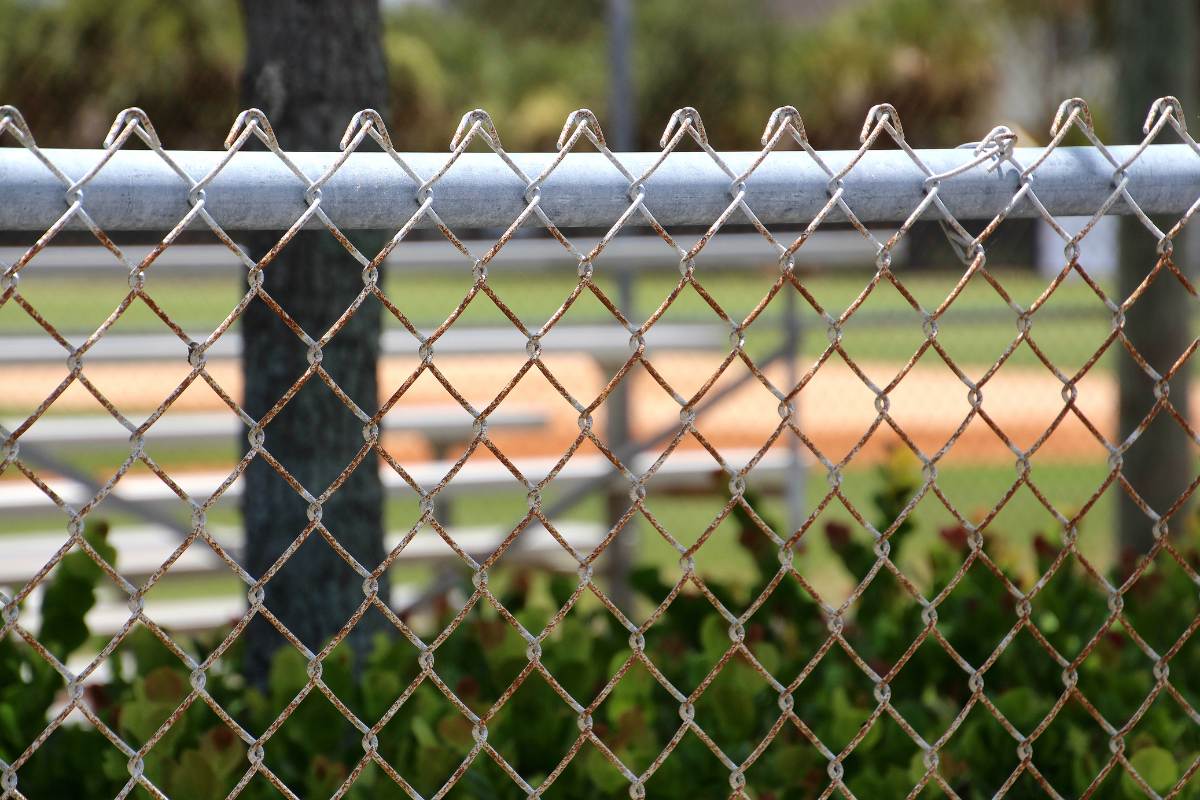
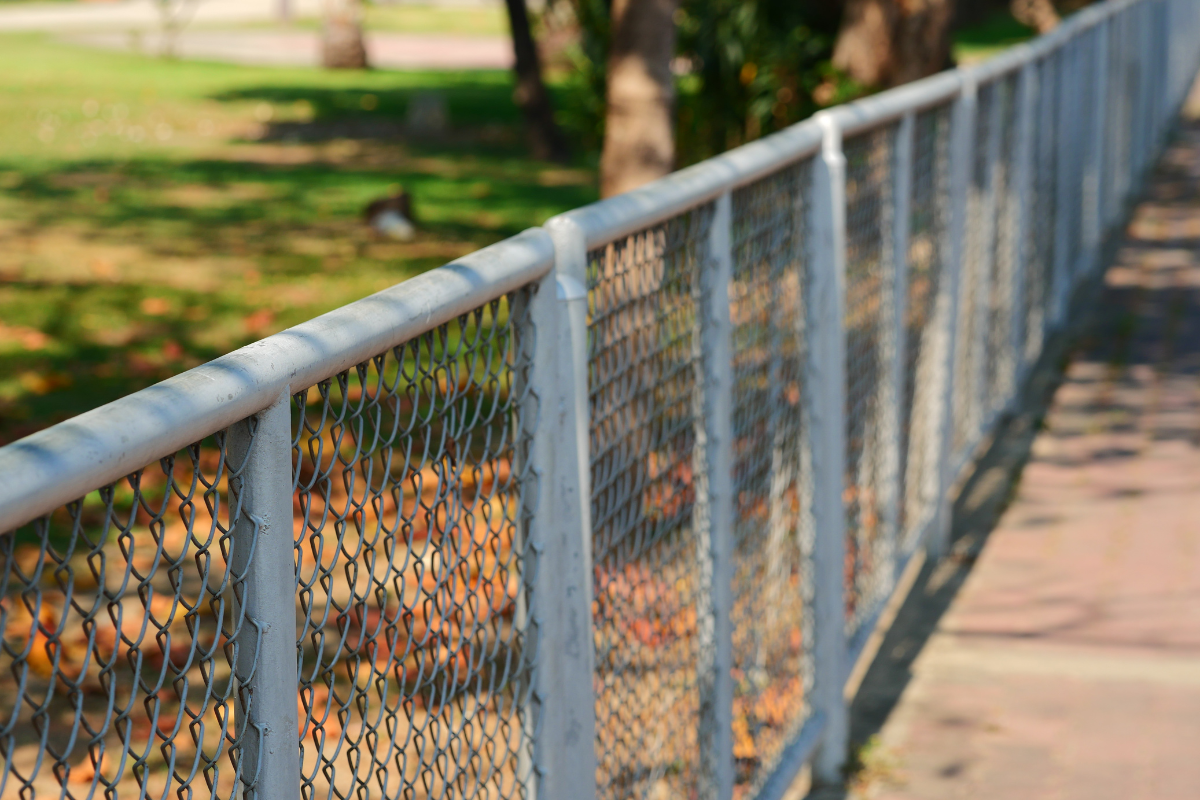
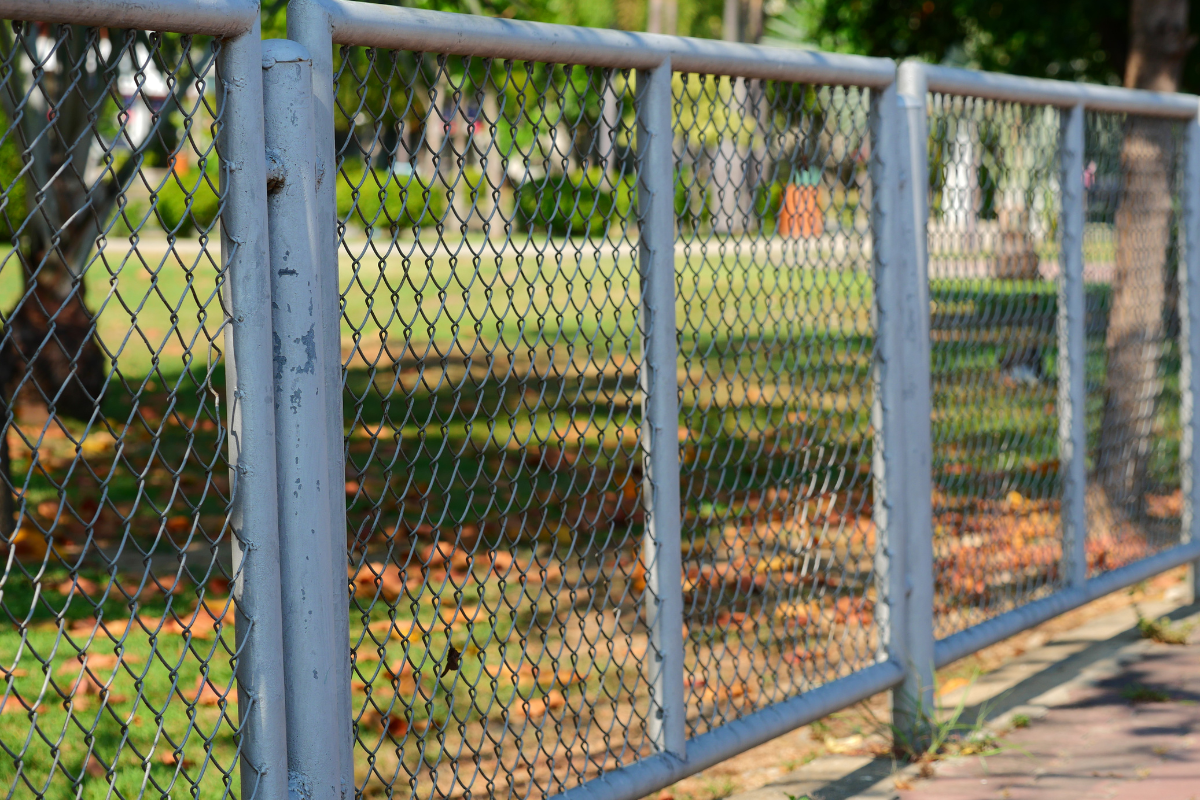
Industrial sites ask a lot from a fence. Every day, crews move forklifts through gates, semi trailers edge around corners, chemicals sit in tanks, and million-dollar equipment rests in open yards. Wind, grit, salt, and sunlight work on every exposed surface. A good chain link system doesn’t just survive this routine, it organizes it. Done well, chain link fencing defines zones, channels traffic, and signals “stop” as clearly as a guard with a clipboard. Done poorly, it sags in two winters, binds gates, and costs you twice through rework and downtime.
I have spent years walking sites with plant managers and risk officers, measuring odd spans around transformers, and explaining why a truss-braced cantilever gate will spare maintenance headaches. The details turn a commodity fence into a reliable industrial asset. This guide distills what a capable chain link fence contractor should bring to the table, what you should expect from chain link fencing services, and how design choices affect performance and life cycle cost.
Why chain link dominates in industrial settings
Chain link endures because it meets industrial priorities with fewer trade-offs than alternatives. It is visible, which reduces hiding spots and simplifies incident review. It breathes, which matters in windy corridors, on rooftops with heavy uplift, and around equipment that vents heat. It flexes enough to withstand minor bumps without splintering or cracking. And it scales, so a 10,000 linear foot layout uses the same core components as a small enclosure.
When budgets are tight or terrain is unforgiving, chain link outperforms heavier systems in speed of installation and adaptability. You can step it up a slope, rake it to match grade, or thread it around utilities with custom panels. If a vehicle clips a section, a trained crew can complete chain link fence repair quickly, often without pulling posts.
The weak points are familiar. Bare steel corrodes, low-grade hardware seizes, and poorly designed gates wear out. Privacy and sound attenuation are limited without add-ons. A security program might require enhancements like barbed wire, anti-cut fabric, or intrusion detection. This is where a seasoned chain link fence company earns its keep, by diagnosing risks and tailoring the system.
Materials that pay for themselves
Industrial chain link fencing is not just fabric. It is a system: posts, terminal fittings, fabric, rails, tension members, gates, and anchorage. On a refinery perimeter, the difference between a six-year fence and a twenty-year fence often comes down to four decisions.
First, galvanizing. Choose hot-dip galvanized after fabrication for posts, fittings, and gates when corrosion is a serious threat. Pre-galvanized coil stock can be fine inland, but coastal, chemical, or de-icing salt exposure will find seams and edges. Look for G90 or better on fabric and heavy zinc layers on structural components. When budgets allow, aluminized steel fabric resists corrosion better than standard galvanized, and PVC-coated fabric over galvanized wire adds another barrier with minimal visual glare.
Second, framework thickness. A 2.875 inch outer diameter line post that’s 0.120 inch wall might hold a simple 6 foot fence in low wind. Put that same post in an open prairie with a 9 foot fence and privacy slats, and you will watch it lean after one storm. Wind loading rises dramatically with height and with opaque surfaces. Experienced estimators use basic wind charts and site exposure to size posts and footings correctly. If the plant sits in a 120 mph wind zone, expect bigger posts and deeper foundations than a warehouse alley in a sheltered urban block.
Third, fabric gauge and mesh size. A 9 gauge, 2 inch mesh is a standard workhorse. For high security or animal containment, tighter mesh like 1 inch reduces toeholds and makes cutting slower. For budget perimeters, 11 gauge might tempt you, but repairs will increase. If you are adding bottom rails, choose knuckle over twist at the bottom selvage to reduce injuries; twist top, knuckle bottom is common on industrial sites.
Fourth, gates and hardware. Gates fail first. Heavy-duty cantilever gates need robust rollers with sealed bearings, thick track, and bracing that resists torsion. Swing gates need 180 degree hinges where clearances demand it, with grease points and bearings that handle daily cycles. Invest in solid latch hardware and through-bolted fittings. With large openings, think in load paths: wind pressure on a 25 foot leaf becomes hinge stress that a 2 inch schedule 40 post cannot carry for long.
Chain link fence installation that holds up
A clean industrial install starts long before augers hit dirt. A chain link fence contractor should walk with you, mark utilities, and flag risks. I insist on construction staking that shows property lines, easements, and swing arcs for gates. The layout phase decides whether you get even post spacing or awkward short panels. It determines where to place expansion couplers on rails to accommodate temperature swings and where to cut fabric to keep stitch seams off corners that see the most pull.
Footings deserve careful attention. For typical 6 to 8 foot heights, posts set 36 inches deep in concrete with bells at the bottom resist frost heave and uplift better than straight cylinders. In expansive clay, wider diameter or belled bases reduce movement. On paved yards, core drill and set with non-shrink grout rather than cutting large patches. Where underground utilities crowd footings, I specify surface-mounted plates epoxied to concrete beams or ballast blocks tied with bracing, then design the fence to span between structural anchor points.
Tensioning separates tidy fences from wavy eyesores. A proper chain link fence installation uses tension bars at terminals, stretcher bars every 50 feet or so on long runs, and diagonal braces that oppose pull at end posts. The crew stretches fabric to a consistent 250 to 350 pounds of tension depending on wire gauge, then ties with aluminum or stainless steel ties at the correct spacing. Bottom rails or tension wires should be tight enough to keep fabric from curling but not so tight that thermal swings tear ties. At vehicle openings, bottom rail across the gate reduces sag over time.
Finish details matter. On galvanizing cuts, cold galvanizing compound seals the wound. On PVC-coated fabric, clips and ties should be coated as well to avoid a spotted look and early rust at contact points. Gate operators, if installed, need conduit routing that keeps water out and access that does not block maintenance panels. A final walk with a torque wrench on terminal bolts finds the fittings that installation fatigue missed.
Repairs that restore strength, not just appearance
Industrial fences take abuse. Impact from a fork mast pushing a pallet too far, a snowplow that veers six inches, or a violent storm can crease fabric and bend posts. Quick chain link fence repair is part of responsible facility management, but patching should protect structure and security.
For bent line posts, I prefer to remove and replace rather than sleeve, unless the post hit is minor. Sleeving adds a weak point, and in high-wind areas sleeves loosen. If the existing footing is sound, new posts can be set with a rebar dowel and epoxy into the old bell, reducing concrete demo. For fabric tears under 18 inches, a patch with matching gauge, weaved into the existing mesh with a new weave wire, restores integrity. Larger damage calls for panel replacement with new tension bars at splices.
Heaved footings and leaning terminals tell a story about drainage and frost. Correcting the symptom without addressing water flow invites repeats. French drains or re-graded swales around footings can prevent soil saturation that amplifies freeze-thaw cycles. Rusted bottom fabric in de-icing zones benefits from a sacrificial bottom rail or a raised fabric line with a low steel toe board that takes the brine splash instead.
Gates require a special kind of patience in repairs. A sagging cantilever gate might look like a roller problem, but bracing and frame joints cause more trouble. Tighten or replace truss rods and clevises, check weld cracks at corners, and verify roller stanchion plumb before you order new rollers. With swing gates, hinge bolts stretch and hinge leaves wear oval over years. Upgrading to higher capacity hinges and adding stop posts can extend life far beyond a quick pin swap.
Security enhancements without turning the site into a fortress
A basic chain link fence sets a boundary, but many industrial programs require more. The trick is to layer security in ways that deter without snarling operations. Start by clarifying the goal: delay, detection, or denial. A long perimeter may focus on delay and detection so responders have time. An electrical substation might emphasize denial.
Barbed wire outriggers still have a role. A 3 strand 45 degree outboard arm adds climb resistance for little cost, provided local code allows it. For higher threat levels, replace or supplement with razor ribbon in short sections at vulnerable points. Privacy slats add screening, which can be useful to hide high-value assets, but they also create wind load and a false sense of security. Slats are easy to cut. Consider welded wire panels or expanded metal where you truly need anti-cut or rigid surfaces.
Sensors integrate well with chain link. Microphonic cable that listens for vibrations can tie into access control, as can magnetic switches on gates. To reduce nuisance alarms, pair sensors with well-set tension and proper fabric tie spacing. At vehicle gates, loop detectors prevent closures on trucks and allow hands-free exits. Cameras looking down the fence line do more good than wide fixed views that include sky and parking lots; aim for coverage that sees hands on fabric.
Where wildlife pressure is intense or product spills are a risk, a bottom rail or buried chain link “apron” prevents burrowing or washing. On high-security lines, burying the fabric 12 inches with concrete collar discourages undercuts and reduces move-in access for tools.
Working with the right partner
Not all chain link fence companies work the same. The right firm brings more than a truck and a roll of mesh. Look for two things: the questions they ask and the warranty they offer. On the first site visit, a solid chain link fence contractor asks about wind exposure, soil conditions, loading at gates, and truck paths. They notice trench drains, high-chloride wash areas, and forklift routes. They talk in installed life, not just linear feet.
Pricing transparency helps you compare bids. If you see lines for fabric gauge, post wall thickness, depth of set, and hardware types, you can spot apples-to-oranges differences. If a bid skips those details, you likely pay for them later. Warranty terms tell you who stands behind the work. One year on labor is common, two years shows confidence, and material warranties vary by manufacturer. Ask who honors the material warranty if the installer closes shop.
A chain link fence company that works industrial often has a safety program familiar to plant standards. Look for current training on confined space, hot work, and arc flash awareness if they work near electrical gear. Insist on dig permits and utility locates, and expect them to coordinate with site safety officers. If they balk at paperwork, they will balk at change orders when an underground surprise appears.
Design choices that make operations smoother
A fence should fade into the functioning of the site. When it doesn’t, it creates work. I keep a short list of field-proven choices that reduce friction.
First, generous gate openings and layouts that match truck turning radii. A 30 foot trailer does not like a tight right turn through a 24 foot opening with a bollard in the swing path. Set gate leaves and bollards so that trucks get a straight approach, and plan for mirror height when placing card readers. For heavy winter sites, spec a gate operator with a heater kit and a cabinet that seals properly.
Second, clear zone management. A 3 to 5 foot clear strip along the fence inside the perimeter discourages debris and pests, simplifies inspection, and gives maintenance room to work. If that strip is gravel, weed growth slows. If there is landscaping, keep it low; shrubs invite hiding and trap paper and plastic.
Third, color choices. Galvanized surfaces reflect heat and light, which is fine on a utility corridor but harsh next to employee parking. Black or https://sergiowuir523.theburnward.com/high-quality-materials-from-a-trusted-chain-link-fence-company dark green vinyl coating on fabric and framework reduces glare and helps the fence visually recede. Be honest about scratches; vinyl-coated rails look great but show scars more than galvanized.
Fourth, hardware consistency. Pick one latch style for personnel gates across the site. Maintenance teams should not carry three types of keys. If you integrate card readers, keep conduit above flood lines and conduit bends gentle for future cable pulls.
Finally, thought for maintenance. Install grease fittings where crews can reach them, not behind a welded guard. Mount rollers on cantilever gates with enough space for a wrench. Label gates and sections on as-builts so a work order can say “Repair sag on Gate 4 south leaf” and the technician knows exactly where to go.
Budgeting and lifecycle cost
On a per-foot basis, industrial chain link remains one of the most cost-effective perimeter choices. But price per foot is only the starting line. Two fences that look identical from a distance can differ by 30 percent in installed cost and by a factor of two in maintenance over twelve years. The drivers are material grade, site preparedness, and gate complexity.
For ballpark planning, a simple 8 foot galvanized line with 9 gauge fabric might fall into the mid two to low three figures per linear foot depending on region, scale, and site access. Add slats, top rail upgrades, barbed wire, or deeper footings, and you climb. A heavy cantilever gate with an operator can match the cost of 60 to 100 linear feet of straight line, especially with safety devices and access control. It is money well spent if it saves minutes on each truck cycle and eliminates manual handling.
Lifecycle cost often vindicates better materials. In corrosive zones, upgrading to aluminized or vinyl-coated fabric and post coats can delay the first major repair by years. Stainless or polymer-coated hardware pays off in fewer seized bolts. In high wind, bigger posts and deeper bells prevent the incremental lean that ends in a full line reset. When a chain link fence installation includes these elements, annual maintenance may drop to inspections and lubrication rather than sections of rework.
Ask your chain link fence contractor to provide optional alternates that show added upfront cost versus expected service life. A table that compares 11 gauge versus 9 gauge fabric with expected replacement intervals helps justify the budget. The right choice changes with the risk tolerance of the operation. A distribution yard with constant activity tolerates more cosmetic wear than a substation that must present a hardened face.
Safety and standards you should expect
Industrial fencing touches compliance in several ways. OSHA does not prescribe fence types, but it does expect that guarding around hazards is effective. Around transformers, moving machinery, and fall hazards, fence height, mesh size, and gate latching take on more meaning. In rail yards, coordinate with railway clearance standards. In public-facing areas, local building codes may cap barbed wire or require setbacks. Engage your local authority early when planning features like security outriggers or electrified deterrents.
Standards like ASTM F567 for installation and ASTM A392 for zinc-coated steel chain link fabric give a baseline for material and workmanship. When a chain link fence company references these documents in their submittals, you have a common language to measure quality. If the site has its own specifications, make sure they reflect current best practices rather than a spec copied across decades. For example, specifying only ties at eight-inch spacing on top rail, without attention to bottom tension, can leave the fence loose at the most vulnerable point.
One safety note that comes from too many field incidents: avoid sharp twisted wire ends at human height on employee gates. Knuckle the top selvage at pedestrian openings, add smooth caps, and keep barbed wire clear of normal circulation. A fence that protects people should not injure them on a normal day.
Case notes from the field
A chemical plant on a coastal river had a perimeter fence that looked decent after six years, but every winter storm opened seams at the bottom. Their fabric was 11 gauge galvanized, bottom tension wire only, with no toe board. Tide splashes and salt-laden wind ate the bottom third of the mesh. The fix was not a complete rebuild. We kept the line posts but replaced fabric with 9 gauge PVC-coated over galvanized, added a bottom rail, and added a five-inch concrete toe along the most exposed sections. The repair paid for itself in two winters of avoided patchwork.
At a distribution center with a 30 foot cantilever gate, operators complained that the gate dragged in July and slammed in January. The issue was thermal expansion in a long unsupported track and a roller assembly mounted out of plumb. The remedy involved adding an intermediate support stanchion, adjusting stanchion alignment, and specifying rollers with higher-quality sealed bearings. We added a small heater in the operator housing to keep control components within range during deep cold. Complaints stopped, and cycle times stabilized.
A power cooperative adopted 1 inch mesh for substation enclosures after a rise in copper theft. The tighter mesh reduced grip points and slowed cutting tools. They also moved from line-tied fabric to intermediate tension bars at every 50 feet and at grade breaks. The extra tension control kept fabric taut across temperature swings. While no fence is a panacea, incident attempts dropped, and the company could point to measurable increases in delay time during simulated breaches.
When to upgrade versus when to patch
Facilities managers often ask whether a fence line is worth saving. The answer depends on structure, not surface. If the posts are straight and footings sound, most issues can be solved with fabric replacement and hardware upgrades. If posts lean uniformly and footings heave, patching only buys months. When a chain link fence installation was undersized for wind loads or fitted to fill rather than to grade, cut your losses and rebuild to the correct spec.
Use inspections to guide decisions. Walk the line and note post plumb, footing condition, rust penetration, and gate function. If a third or more of posts are out of plumb by more than two degrees, plan for replacement. If rust has consumed more than 20 percent of wire thickness in multiple runs, fabric replacement is due. If hinges and latches have been replaced more than once in five years on the same gate, redesign is required.
The service model that keeps fences functional
A long fence line needs an owner. The best chain link fencing services do more than install; they maintain. A service program that includes two inspections per year, one after winter and one after summer, catches tension loss, hardware fatigue, and ground movement. Lubricate hinges and operator parts during those visits, tighten fittings, and replace worn ties. Keep inventory of spare parts: a spool of matching fabric, a box of ties, two tension bars, a set of rollers, hinge kits, and galvanized paint.
Response time matters. A cut in a remote corner might seem trivial until someone slips through. Set a response expectation with your contractor, ideally within 24 to 72 hours for security breaches and within a week for cosmetic issues. If the perimeter is critical, build redundancy into your gates so that repair on one does not halt operations. That might mean a secondary personnel gate or a manual bypass plan.
Documentation helps continuity when personnel change. Keep as-built drawings that show fence alignment, gate locations, footing sizes, and any underground conduits for operators and sensors. Note material specifications, manufacturer contacts, and warranty periods. When the chain link fence company updates parts, get cut sheets and add them to the file.
A brief checklist for scoping your project
- Define purpose by zone: perimeter deterrence, asset protection, safety guarding, or traffic control. Confirm site risks: wind exposure, corrosion potential, frost depth, and utilities. Select materials by environment: galvanizing level, fabric gauge, post wall thickness, and hardware coatings. Choose gate types and controls to match traffic: swing or cantilever, manual or powered, safety devices required. Plan maintenance: inspection intervals, spare parts, and response expectations with your chain link fence contractor.
What a trustworthy proposal includes
When you solicit proposals, insist on clarity. A solid bid from a reputable chain link fence company should detail the height and length, fabric gauge and mesh size, post sizes and wall thickness, footing dimensions, and specific hardware brands or equivalents. It should identify gate leaf widths, hinge and latch types, and operator models if powered, with duty cycle ratings. It should describe corrosion protection, from galvanizing levels to coatings. It should spell out site prep responsibilities, including demolition, hauling, and restoration.
Timelines must be realistic. Fabrication of custom gates can take two to four weeks, longer in busy seasons. Permitting varies by jurisdiction. Good contractors communicate lead times and hold them. If someone promises next-week installation in the middle of winter with frozen ground and a permit backlog, ask harder questions.
Finally, look for alignment with your team. The best outcomes come when the contractor respects plant rules, communicates schedule changes, and sends the same foreman back for repairs who built the fence. That continuity saves time and prevents misunderstandings.
Industrial chain link fencing works because it balances strength, visibility, speed, and cost. It is neither flashy nor fragile. With the right design choices, competent chain link fence installation, and a maintenance-minded partner, a chain link system becomes part of the site’s muscle memory. Trucks roll, people move, assets stay put, and the fence does its job quietly, year after year.
Southern Prestige
Address: 120 Mardi Gras Rd, Carencro, LA 70520
Phone: (337) 322-4261
Website: https://www.southernprestigefence.com/