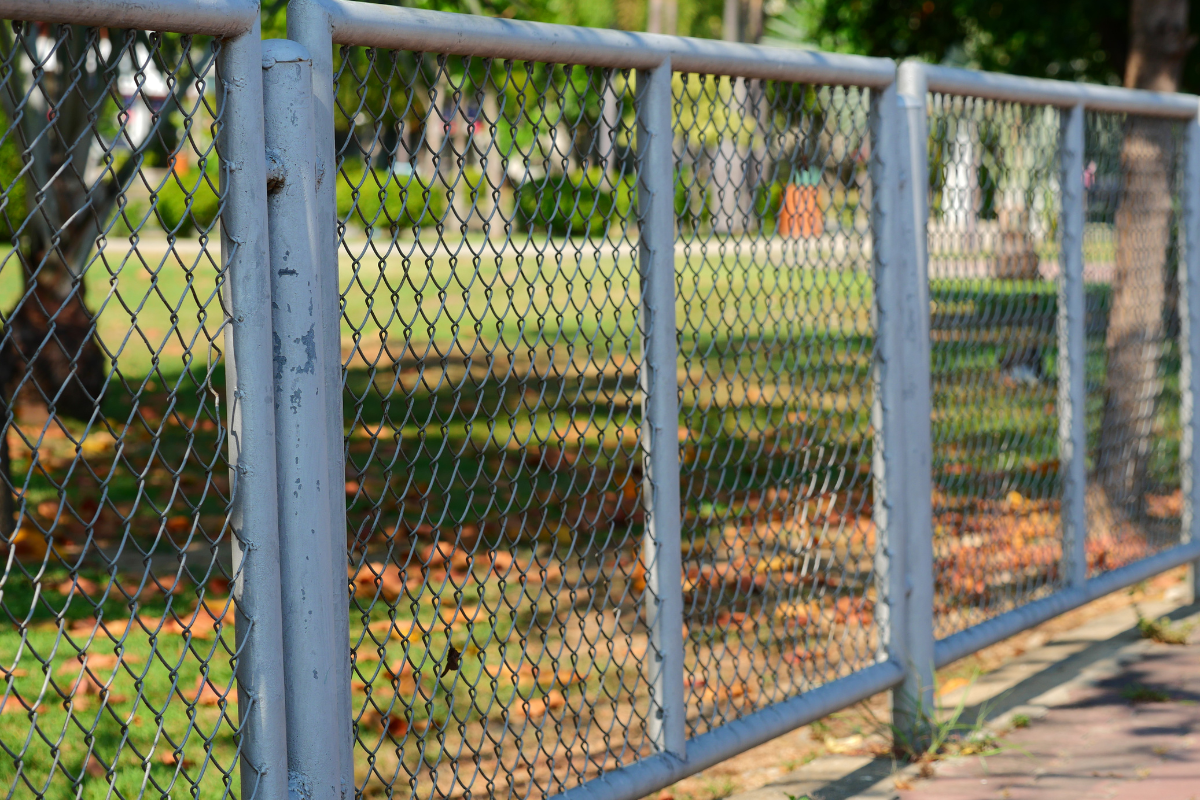
Homeowners associations live at the intersection of fairness, aesthetics, and protection. The best-managed communities raise property values by pairing clean design with practical infrastructure. Fencing is one of those decisions that touches every homeowner and every common area, so it needs to be right the first time. A trusted chain link fence company can make that work smoother, faster, and more defensible when the board is answering questions at the next annual meeting. I have walked properties with boards, listened to frustrated residents after a storm topples a corner section, and fielded bids from a chain link fence contractor when a pool had to be brought up to current code under deadline. Across those projects, a few principles consistently separate reliable partners from the rest and help HOAs get the results they expect.
Why chain link makes sense for many HOAs
Chain link fencing earns its keep by being clear about what it delivers: visibility, durable boundaries, and predictable costs. You can watch the soccer field without obstructed sight lines. You can deter shortcuts through a greenbelt without building a visual wall. And you can control long linear footage without breaking the reserve study. When you pair a good specification with https://www.google.com/maps/place/Southern+Prestige/@30.3158925,-92.0739959,17z/data=!3m1!4b1!4m6!3m5!1s0x2cec32bd800e8f35:0x1f19c5dbffeebca0!8m2!3d30.3158925!4d-92.0739959!16s%2Fg%2F11sxwjtzzy?entry=ttu&g_ep=EgoyMDI1MDgyNC4wIKXMDSoASAFQAw%3D%3D competent chain link fence installation, the system can last two decades or more with only modest upkeep.
Cost per linear foot varies by height, gauge, and finish, but in most metro areas a standard 4-foot galvanized chain link fence often lands in the teens per foot for materials before labor, while 6-foot privacy systems in vinyl or composite can be multiples of that. For common areas where appearance and budget both matter, the cost-to-performance ratio tilts in favor of chain link. It is also an honest system to maintain. Chain link fence repair typically involves straightforward work: replacing bent posts after vehicle impact, tensioning a sagging top rail, swapping out damaged fabric, or resetting a heaved terminal post. You do not need a color-matched artisan to make the repair disappear. A competent chain link fence company can be in and out quickly, with less disruption to residents.
The material is not perfect for every perimeter. If your community has a strict architectural palette or if the board wants complete privacy along a busy roadway, a different product might be better. But for pools, sports courts, dog runs, retention areas, and internal separations, chain link fencing stays on the shortlist for good reason.
What trusted looks like when you hire a contractor
I have seen boards award work to the lowest bidder only to discover that the contractor skipped line locates or installed residential-grade fabric where commercial-grade should have been specified. The word “trusted” has to be earned through real practices, not marketing copy.
Look for a chain link fence contractor who does three things without you having to ask. First, they put everything in writing. Not just price, but post size and wall thickness, fabric gauge, mesh size, framework coating, wind load assumptions, foundation depths, gate hardware models, and schedules. When a proposal lists “2-3/8 inch O.D. x .095 wall galvanized top rail,” your board knows exactly what is being bought.
Second, they treat permitting and compliance like their responsibility, not yours. If you bring them pool fencing, they cite the applicable codes, supply drawings with gate swing and latch heights, and coordinate the inspection. If there are city setbacks or easements, they mark them on the plan so the HOA is not tearing out fence after an angry letter from the utility.
Third, they show you work they have completed that looks like your project. Fencing a school sports field is a different discipline than retrofitting a pool enclosure in a tight courtyard. Ask to see a job walk or photos that match your conditions. A credible chain link fence company will welcome it.
What the board should decide before calling for bids
A clear scope trims wasted time and reduces change orders. Before you reach out for chain link fencing services, gather a working brief for your community. Start with purpose and performance. Is the fence for safety, access control, pet containment, crowd flow during events, or a visual boundary? If safety is the reason, do codes dictate a height or mesh size? Pool fences, for example, often require at least 4 feet of height, self-closing and self-latching gates, and specific latch heights. Sports courts introduce ball containment requirements. Stormwater areas might need higher fences to keep children out.
Next, choose a style and finish suited to the location. Galvanized chain link is the base case. Black or green PVC-coated systems dissolve into landscaping better, hide dust, and resist corrosion near irrigation. In an HOA with a consistent color palette, coated systems often look intentional rather than industrial. If you need to soften views, consider privacy slats for select stretches, but do not assume they are a free upgrade. Slats add wind load. That changes the engineering and can require heavier posts, deeper footings, or bracing to keep the fence from racking in strong gusts. A responsible chain link fence contractor will explain those changes and price them accordingly.
Finally, define gates and hardware. The gate is not an accessory. It is the most abused part of any chain link fence installation. Pedestrian gates in resident pathways need closers that do not slam, hinges that cannot be defeated with a wrench, and latches that align after thermal movement. Wider access gates serving maintenance crews need appropriate leaf width, posts sized to resist sag, ground stops, and, when needed, operators tied into your access control. Write down who will hold keys, codes, or fobs, and whether the HOA or a vendor will maintain hardware.
Materials and specs that stand the test of time
Not all chain link is created equal, and the shorthand used in many proposals hides important differences. The fabric, posts, framework, ties, and fittings all contribute to a fence that stays plumb and tight.
Fabric gauge and mesh size are your starting point. For most HOA common areas, 9 gauge fabric with a 2-inch mesh performs well. If vandal resistance is a priority, go heavier, down to 6 gauge, but expect a weight and cost jump. For pools, some codes call for a tighter mesh or restricted climbability, and you should verify requirements before specifying.
Post size and wall thickness determine stiffness. Residential-grade systems often use 1-7/8 inch line posts with thin walls. In common areas with daily use and occasional bumps from carts or maintenance equipment, step up to 2-3/8 inch line posts and thicker walls in the .095 range or better. Terminal, corner, and gate posts should be larger still, commonly 2-7/8 inch or 4 inch O.D., sized to gate width and height. A board in one coastal community learned this the hard way when 3-foot pedestrian gates sagged by an inch within a year because the gate posts were undersized and set too shallow in sandy soil.
Rails and bracing prevent racking. A continuous top rail adds rigidity and a clean line. Mid rails or bottom rails are worth considering where residents or landscapers are likely to put pressure on fabric. Tension wire at the bottom helps, but a rail resists deformation better. When privacy slats are involved, cross bracing and heavier terminal posts become more than optional.
Coatings and corrosion resistance matter over decades. Standard galvanized after weaving performs for most inland installations. In areas with fertilizer overspray, irrigation, or salt exposure, poly-coated fabric and framework keep the system presentable longer. Ask about the total zinc coating weight on galvanized components. Heavier zinc means longer corrosion resistance. A reputable chain link fence company will present good-better-best options with plain language about service life, not just color choices.
Fasteners and fittings are the small parts that get overlooked. Aluminum ties hold longer without rust staining, but in high-traffic gates, stainless steel hardware is worth the modest cost increase. Look for pressed steel or malleable iron fittings of sufficient thickness, not flimsy die-cast parts that crack in cold weather.
Installation details that make or break performance
I have visited many sites where the hardware looked fine on paper, but the installation cut corners. The difference shows up six months later when the top rail dips, the mesh puckers, or the gate drags.
Hole depth and concrete footings come first. In most soils, a minimum of 30 inches embeds line posts for 4-foot fences, with deeper holes for taller systems or expansive soils. Frost depth dictates more in cold regions. Concrete bell-shaped footings resist uplift better than straight cylinders. And the mouth of the hole should be domed to shed water, not left as a cup that collects rain and accelerates corrosion at the base. On slopes, step the fence or rack it appropriately, rather than cutting corners with variable embedment.
Tensioning the fabric is not guesswork. Good installers know to pull fabric with a come-along and tension bar, then tie at regular intervals, usually 12 to 18 inches apart depending on code and spec. Walk the fence after pull to check for flat planes and consistent diamond shapes. If the diamonds look parallelogrammed, the fabric was not tensioned evenly and will relax further over time.
Gate alignment and reinforcement deserve attention. A double-swing access gate without an internal truss or with insufficient diagonal bracing will sag and meet at the center with misaligned latches. A self-closing pedestrian gate without a proper closer will slam, waking residents at night and loosening hinges. A quality chain link fence contractor installs gate keepers and stops so the leaves do not over-travel in wind, and they adjust closers to a safe, quiet speed.
Site protection and cleanup are part of professional chain link fencing services. That means marking irrigation before augering holes, protecting turf with plywood where machines travel, and sweeping for tie wire cuttings that puncture mower tires later. You can tell a lot about a contractor from how they leave the site each day, not just at the end.
HOA governance, communications, and long-term care
Even the best build fails if the board does not set expectations and maintain it. Start with architectural guidelines that specify acceptable fence types, heights, and finishes for both common areas and private lots, and that call out chain link as either permitted or restricted in certain contexts. Many communities allow chain link fencing in discreet locations like perimeter maintenance zones or around amenities, while requiring ornamental fencing in visible streetscapes. Clarity prevents disputes.
Communicate early with residents when a chain link fence installation will affect access to amenities. A pool closure that runs long because the gate hardware did not pass inspection frustrates families and puts the board on its heels. Build buffer time into the schedule and post updates weekly, even if the update is “no change.” Your contractor should give you milestones you can share: hole drilling complete, posts set and curing, fabric install, hardware and inspection.
Plan for routine chain link fence repair. Budget a small annual line item to replace one or two damaged panels, re-tension fabric on long runs, and service gate hardware. In my experience, a proactive spring inspection reduces peak-season complaints by half. Walk with a punch list: bent top rails often indicate someone stepped on the rail or a fallen branch. Sagging fabric can trace to missing ties. Rust bloom at the base of posts suggests trapped moisture or irrigation. The fixes are simple if caught early.
Security and privacy expectations deserve a frank discussion. Chain link fencing is a deterrent and a boundary, not an impenetrable barrier. If the board needs stronger security at a maintenance yard, add height, upgrade to smaller mesh or heavier gauge, and consider top-rail extensions with three strands of barb wire where permitted. For privacy along a busy road, weigh the trade-offs of slats versus a different fence type. Slats can rattle in wind, fade in intense sun after 8 to 10 years, and increase load on the structure. Your contractor should provide wind-load calculations and post sizing when slats are specified.
Codes, inspections, and the special case of pools and courts
A common HOA headache is discovering after the fact that the old pool fence was noncompliant and the replacement must meet a newer code. A trusted chain link fence company will know the relevant standards in your jurisdiction, often a version of the International Swimming Pool and Spa Code, and will design gates with self-closing hardware, outward swing, and latch heights typically at 54 inches above grade or more, with no handholds that allow children to reach over from the outside. Some regions require a maximum gap below the fence, often 2 inches, which changes how the bottom is finished on uneven terrain.
Tennis and pickleball courts bring different requirements. Ball containment fences range from 8 to 12 feet, sometimes with a lower section of 2-inch mesh and an upper section of 1-3/4 inch to keep balls in play. The framework must handle wind without introducing too much bounce or resonance that distracts players. On courts near homes, I have specified windscreen panels only on leeward sides to manage noise and reduce sail area. A seasoned chain link fence installer will help you balance containment, wind load, and visibility.
Dog parks in HOAs are another frequent use case. Double-gate vestibules reduce escapes. A 5 or 6-foot height discourages jumpers. Smaller mesh at the bottom keeps little dogs from squeezing through. Shade structures, benches, and water stations complicate grading, so a site plan that sequences the trades prevents fencing from being installed before trenching and utility work, which would force unnecessary chain link fence repair later.
Cost control without false economies
Boards need predictability. You can save real money without compromising integrity if you choose the right places to economize. Keep the posts and gate framework robust, the parts that handle loads. If you need to trim, reduce the use of privacy slats to strategic sections rather than the entire run. Consider galvanized framework with black-coated fabric where budget and aesthetics compete; the look is better than fully galvanized at lower cost than fully coated. Standardize gate widths across amenities so spare parts are common, making repairs cheaper and faster.
Avoid false savings like undersized posts, shallow footings, or bargain-bin gate hardware. Those will haunt you with chronic adjustments and early replacements. If a bid seems materially lower, ask where the reduction comes from in spec terms. A credible chain link fence company can explain cost differences by pointing to framework thickness, fabric gauge, or installation sequence, not vague “efficiencies.”
Working with vendors as true partners
I have had the most success treating the fence contractor as a collaborator rather than a commodity. Share the long-term plan for the community, including future phases. Contractors tend to sharpen their pencil for clients who view them as long-term partners. Ask for maintenance training for your on-site staff, perhaps a one-hour session on lubricating gate hardware, checking tension, and spotting trouble. The best chain link fencing services include support after the last invoice is paid.
When issues come up, and they will, how the contractor responds matters more than whether a punch-list item existed in the first place. I remember a project where a section tilted after a week of heavy rain on expansive clay. The company returned, re-dug, added rock at the base, and reset posts with larger footings at no cost. That earned them the next three phases without rebidding.
A practical checklist for HOA boards
Use this brief list to keep projects on track when selecting and managing a chain link fence contractor.
- Define purpose, performance criteria, and any code triggers such as pool safety or court containment before requesting bids. Specify materials by gauge, mesh, post sizes, coatings, and hardware models. Do not settle for generic descriptions. Require documented permitting, inspections, and as-builts. Ask for stamped drawings where code requires. Set maintenance expectations with a written warranty and a first-year check-up visit after one full season of use. Communicate timeline and access impacts to residents early, with clear milestones and a buffer for weather or inspections.
Real-world anecdotes that reveal common pitfalls
A midsize HOA had a 500-foot run along a retention pond. The board wanted privacy slats to screen maintenance operations from the walking trail. The initial bid used 2-3/8 inch line posts with standard footings. A windstorm three months later bowed the line and popped ties on the leeward side. The fix required heavier posts and deeper footings, which cost more than the original upgrade would have. If the contractor had calculated wind load with slats, and the board had insisted on it, the issue would have been avoided. The lesson is simple: slats change the engineering assumptions. Treat them as a structural decision, not an accessory.
In another case, a pool enclosure passed inspection for height and latch placement, yet parents complained that older kids could toe into the 2-inch fabric and climb. The board added a 1-1/4 inch micro-mesh paneling for the bottom 4 feet around the most trafficked side of the pool. The change cut incidents to near zero. Codes are a floor, not a ceiling. An experienced chain link fence company will talk about behavior, not just dimensions.
A third community had repeated gate issues at a service courtyard. The gate left clearances were tight, and landscaping mulch migrated under the leaves, causing drag. The solution was practical: reset the gate stop, install a concrete mow strip, and swap to adjustable hinges with better vertical load capacity. Most chain link fence repair work goes beyond replacing broken parts. It involves understanding how residents and landscapers interact with the fence and adjusting the design to fit real use.
Measuring success after the install
You will know you hired the right team and specified the right system when the fence becomes part of the background. Residents use amenities without thinking about access points. Maintenance crews move equipment through gates without snagging. The board receives far fewer emails about “that rattling gate” or “the sagging section near the dog run.” The annual budget shows predictable, small line items for upkeep, not surprise capital expenses.
Good fences earn their keep twice. First, on the day they pass inspection and open safely. Second, every day they quietly do their job without drama. When you partner with a dependable chain link fence company, specify material and installation details with care, and align the project with the rhythms of HOA life, you protect the community’s budget and its peace.
What to expect from a top-tier provider
A reliable chain link fence company that routinely serves HOAs tends to run their work like this: a site walk that includes your property manager and a board member, a measured plan with notes on utilities and grades, a bid that reads like a specification sheet, a project schedule with dates for locates, drilling, set, cure, fabric, and punch, daily site cleanup, and a warranty packet including product data sheets and maintenance guidance. They keep spare parts locally for your standard gate closer or latch so repairs do not wait on freight. Their installers show up in marked trucks and in uniform, and they carry proof of insurance and licensing without being asked.
They also speak HOA. That means they maintain predictable working hours, avoid noisy operations early in the morning near bedrooms, and post temporary signage. They notify you when weather affects cure times. They adjust schedules to avoid event days at the clubhouse. Between the lines, they respect that you manage a neighborhood, not a construction site.
Final thoughts for decision-makers
Chain link fencing is not glamorous, but it holds communities together at the seams: around pools, along trails, enclosing play and sport, protecting storage, and gently steering foot traffic. When you invest in the right chain link fence contractor, you are buying more than metal and mesh. You are buying experienced judgment about codes, soils, gates, and the many small choices that keep a fence upright and unobtrusive for years.
If you are preparing your next project, start by writing the performance goals and constraints. Bring in a chain link fence company early to test the assumptions and to flag code or engineering issues. Make your selections in terms that can be measured. Demand craftsmanship in the invisible parts: hole depth, footing shape, tie spacing, hardware alignment. Then give the vendor room to do their job well, with clear communication and timely decisions. That is how HOAs end up with fences that look right, work right, and quietly keep things moving for a long time.
Southern Prestige
Address: 120 Mardi Gras Rd, Carencro, LA 70520
Phone: (337) 322-4261
Website: https://www.southernprestigefence.com/