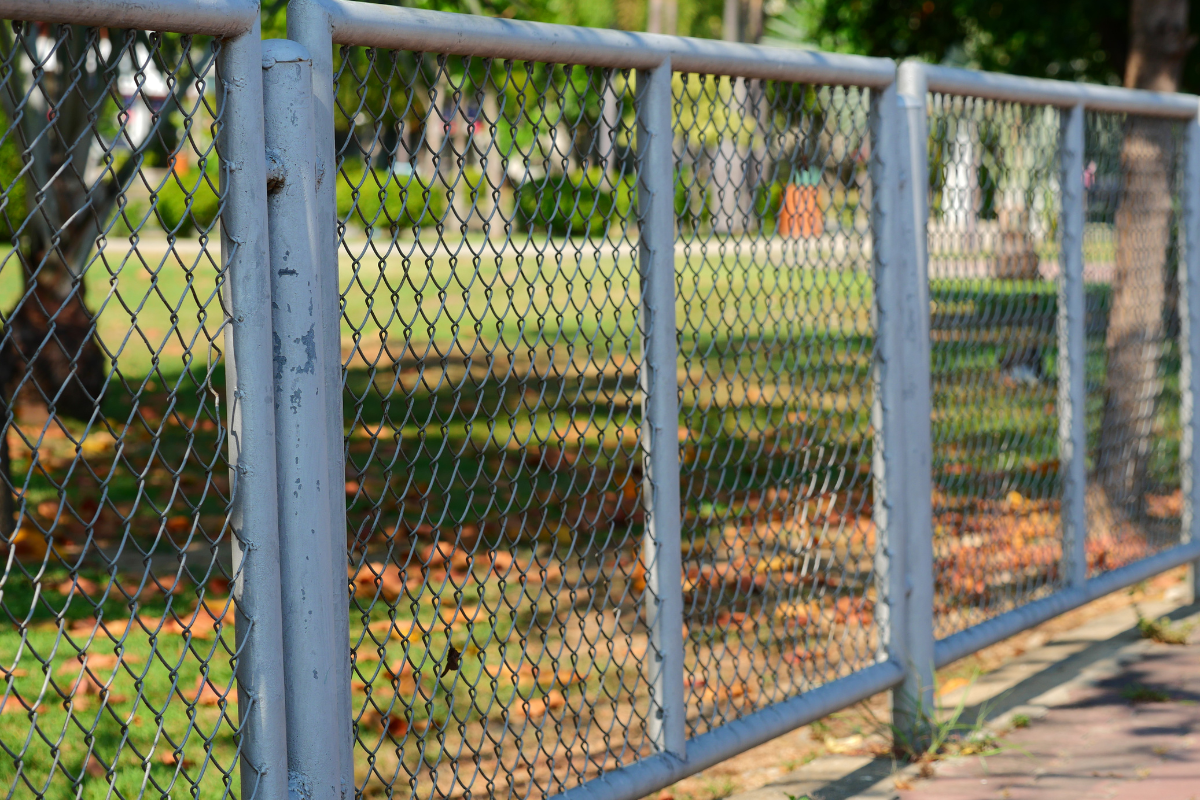
Chain link fences look simple at a glance, but a clean, tight, long‑lasting installation is anything but casual. The difference between a fence that stays true for 20 years and one that sags by spring often traces back to the person who built it. Licensing matters here, not as a piece of paper on a wall, but as shorthand for competence, accountability, and an understanding of codes and craft. If you’re weighing whether to call a licensed chain link fence contractor or to take a flyer on a bargain installer, it helps to know what you’re actually buying.
Where chain link shines
Chain link fencing earned its reputation by doing three jobs well. It establishes boundaries clearly, deters casual intrusion, and withstands weather, pets, and hard use with minimal fuss. The cost per linear foot is usually lower than wood or ornamental steel, and if you choose heavier mesh and galvanized or vinyl‑coated components, you can expect decades of service.
The versatility is real. I’ve put 4‑foot residential enclosures around gardens where raccoons remained the only critics, 6‑foot privacy‑slat configurations around apartment communities, and 8‑ to 10‑foot commercial security runs with tension wire and three‑strand barbed extensions. The framework adapts, the hardware is standardized, and repairs can be surgical rather than wholesale. None of that lands reliably without the right install.
What licensing actually covers
A license signals that the chain link fence contractor met your state or municipality’s criteria for trade knowledge and business practice. That usually includes exams on code and construction, proof of liability insurance, workers’ compensation coverage where required, and a bond. Codes are not fluff. They dictate fence heights near intersections to protect sight lines, clearance from utilities, footings in frost zones, and pool barrier specifications that prevent climb‑overs and unsafe gaps.
I’ve seen unlicensed crews install a 5‑foot fence around a pool in a jurisdiction that requires 6 feet, with self‑closing, self‑latching gates swinging outward and latch heights above 54 inches. On the walkthrough, the inspector tagged it, and the owner paid twice for a gate rebuild. That is an expensive way to learn the rulebook exists.
A license also ties a name to a regulator. If work goes sideways, you have recourse. That changes behavior. Contractors who want to keep their license do not gamble with substandard concrete, undersized terminal posts, or mix‑matched galvanized and plain steel hardware that rusts in stripes.
Anatomy of a proper chain link fence installation
When a chain link fence company sends a seasoned crew, you’ll see method, not improvisation. Good installs share common DNA, even though the specifics vary by soil, climate, and purpose.
Layout and survey set the tone. I’ve learned to run a taut string line, confirm corner and end post locations, and check for underground utilities. It takes an extra hour to call in locates, but digging into a gas line takes months off your life. The crew should mark gate swing arcs and verify setbacks, especially along public rights of way. An inch or two inside the property line beats a boundary dispute every time.
Posts make or break the fence. Terminal posts, which include corners, ends, and gates, carry tension. They need a larger diameter and deeper footings than line posts. In most climates, 30 inches is bare minimum for line posts, while terminals push toward 36 to 48 inches, deeper where frost heave is a risk. In sandy soils, widen the footing or bell the bottom to resist uplift. In clays, you might drill cleaner holes and avoid polishing the sides, which creates a sleeve that encourages movement. A licensed chain link fence contractor will adjust based on soil reports or at least on the shovel test.
Concrete is a tool, not a cure‑all. Dry pack works in arid regions if you control moisture and backfill properly, but in freeze‑thaw country I prefer mixed concrete that flows and consolidates. Overfilling the top inch is a rookie error that creates a birdbath around the post and accelerates corrosion. The correct finish slopes away from the post to shed water.
Framework and tension components give chain link its crisp look. Top rail should be level and supported with eye tops that match the post size. On long runs, add a mid‑rail or bottom rail, or tension wire, depending on security goals and budget. For high‑traffic or snow‑load areas, a bottom rail resists plowing and weed trimmers. I’ve seen municipal ballfields swap out broken bottom tension wire for rail after several seasons, trading a small upfront cost for fewer repairs.
Fabric selection matters more than most realize. Residential chain link fencing often uses 11 or 11.5 gauge mesh, but I recommend 9 gauge galvanized fabric for durability, especially near pets or play areas. Vinyl‑coated systems over galvanized core add a layer of protection and a cleaner look. If you’re near salt air, look for aluminized or fusion‑bonded systems and upgrade hardware to hot‑dipped galvanized. Mixing electro‑galvanized ties with hot‑dip components invites uneven weathering.
Stretching and tying is an art. Proper chain link fence installation pulls fabric to the correct tension without distorting diamonds. Use a come‑along, stretcher bar, and enough tension bands to distribute load. Tie spacing should tighten at the top and bottom, then relax a bit mid‑span. Around gates, add ties and use heavier gauge aluminum or stainless ties for longevity. Skimping on ties saves minutes and costs years.
Gates and hardware deserve their own consideration. Gate posts need larger diameters and deeper footings because they handle dynamic loads. I prefer adjustable, sealed‑bearing hinges for driveway gates and solid fork or cantilever latches where security matters. Self‑closing, self‑latching hardware is mandatory around pools. Spend for it once, and you won’t chase a gate that slams or drifts.
Finish and inspection close the loop. A licensed chain link fence contractor will walk the line, trim fabric flush to the top rail with minimal sharp pig tails, cap posts, paint any field cuts on coated systems, and confirm that gates swing clear. No one should leave a job with a top rail splice unsupported or a bottom wire twisted against bare soil.
The quiet costs of a cheap fence
Price pressure is real, and not every property demands a premium build. Still, the cheapest bids often hide choices that shorten the life of the fence. Thin‑wall posts will dent, bow, and rust sooner. Electro‑galvanized fabric looks bright initially and dulls fast. Shallow footings invite frost to lift line posts, which then torque the top rail into waves. If a chain link fence company proposes cutting post depth to shave time, you’ll pay later.
The most painful costs show up at gates, where stress concentrates. Underbuilt gate frames sag, especially on wide single swings. Once a hinge post leans, the latch side climbs, and you begin the cycle of shimming, grinding, and eventually replacing components. I’ve returned to properties where an unlicensed installer skipped diagonal bracing on a 12‑foot agricultural gate. Two seasons of wind and the whole assembly racked like a crooked picture frame.
Warranty risk is another hidden cost. Manufacturers often tie material warranties to proper installation. If a poorly tensioned fabric tears or a undersized post fails, you lose the leverage a licensed chain link fence contractor can bring to a claim. I’ve had suppliers fast‑track replacements when they know my crew built to spec. That relationship evaporates when the installer can’t document the job.
Codes, setbacks, and neighbors
Fencing touches more than your lot. Corners near sidewalks require visibility triangles so drivers and pedestrians can see. Many municipalities cap front yard heights at 3 or 4 feet and reserve 6 foot fences to side and rear yards. Historic districts may regulate materials. Pool barriers are strict for good reason. A chain link fence contractor who works locally will https://zaneorgn049.lowescouponn.com/full-service-chain-link-fence-company-from-design-to-install know the rules and how inspectors interpret them.
Property line etiquette is practical. A few inches inside your line saves you from trimming hedges and haggling over encroachments. The cleanest jobs start with a survey or at least visible pins. If a neighbor objected to a recent install, odds are it went right to the line or crossed it. For shared fences, agreements in writing protect relationships when repair time comes.
Repair vs. replacement: reading the fence
Chain link fence repair decisions turn on the framework. If terminal posts are straight and sound, you can replace fabric, swap a bent top rail, and hang a new gate without rebuilding everything. Insurance claims after a windstorm often cover sections flattened by a tree while leaving undamaged runs alone. A licensed contractor will evaluate post plumb, footing integrity, and galvanization condition, then price repair options against full replacement with a clear rationale.
I advise replacement when rust has migrated from surface blush to structural thinning, when multiple posts have heaved irregularly, or when the mesh gauge is so light that a tight stretch will only tear it further. If the original install used inconsistent components, you can chase a franken‑fence for years. Sometimes a clean slate offers better value.
Security and use‑case upgrades
Chain link fencing is a platform. Upgrades adapt it to specific risks without reinventing the wheel. Privacy slats turn an exposed yard into a screened space, though they add wind load that must be accounted for with post sizing and footing depth. Tension wire along the bottom discourages dogs from pushing under. Three‑strand barbed or razor extensions deter climbs in industrial settings, but they also shift your compliance obligations and may change your insurance brackets.
For tennis and pickleball courts, fabric size matters. A 9 or 10 foot height with 1‑inch mesh on the lower band keeps balls from squeezing through. For ballfields, schedule heavy bottom rails where mowers and maintenance equipment work. For schools, specify recessed or tamper‑resistant hardware and consider welded or tamper‑proof ties in targeted areas.
Gates can integrate access control. Slide gates pair with operators, loop detectors, and photo eyes for safety. Proper post sizing and anchoring are non‑negotiable when motors apply consistent force day after day. Conduit planning during installation avoids surface‑run afterthoughts that look messy and fail early.
Material choices that hold up
The base layer is galvanization, measured in ounces per square foot for coating weight. Residential chain link fencing often uses G60 or G90 coatings for fabric and framework. Commercial jobs benefit from heavier coatings that resist corrosion, especially near coastal or industrial environments. Aluminized steel performs well where salt spray and winter de‑icing enter the picture.
Vinyl‑coated chain link fabric adds color and extra protection. Look for fusion‑bonded coatings over galvanized cores rather than just extruded vinyl. Coated fittings should match. I’ve seen whole fences where the fabric was premium green vinyl, but the ties, bands, and brace rods were plain galvanized. The mix looks off and ages unevenly.
Fasteners and accessories complete the chain. Stainless steel ties or aluminum ties outperform basic galvanized ties when you expect abrasion or chemical exposure. Carriage bolts on bands should be installed with the smooth head on the outside for security and appearance. Caps matter more than aesthetics. They block water and prevent bees from turning posts into real estate.
Weather and soil realities
Frost depth drives post depth. In northern regions, set below the frost line by at least 6 inches for terminals and as near as possible for lines. In expansive clays, bell footings or larger diameters resist heave. In rocky ground, you may core drill and set posts with non‑shrink grout. In arid zones with caliche, mechanical anchors and micro‑footings can outperform traditional holes, provided engineering supports the approach.
Wind exposure changes engineering. A bare chain link fence passes a lot of air, but add windscreens or dense privacy slats and your load jumps. That means thicker wall pipe and deeper footings. Manufacturer charts guide this. A licensed chain link fence contractor will not guess. They will ask about future additions so your posts aren’t underbuilt on day one.
Snow loads are not just for roofs. Plowed berms pile against long runs and will bend bottom rails if they are thin or poorly supported. I specify heavier bottom rails along drive edges or swap to tension wire only in low‑impact areas.
How to choose the right contractor
You won’t get the same build from every chain link fence company, even among licensed firms. Conversations reveal more than bid sheets. Ask who handles layout and whether the crew is in‑house or subcontracted. In‑house crews tend to carry the company’s habits and standards over multiple jobs. Good subs can be excellent, but you’ll want to know who shows up and whether the chain link fence contractor manages them closely.
I look for detail in proposals. Clear descriptions of post sizes, wall thickness, footing depths, mesh gauge, coating type, and hardware brands show the contractor is not hiding behind vague terms. If a bid only says “install chain link fence,” you can’t compare apples to apples. Ask how they handle soils that collapse or rock that refuses to budge. Listen for practical answers based on experience, not theory.
Reference photos help, but site visits tell the truth. If possible, look at a fence that has been up for at least two winters. Check plumb, tension, and gates. Talk to the owner about responsiveness. Most reputable contractors stand behind their work without a fight. The warranty they offer is as good as the phone number you can reach.
Here is a short, practical checklist you can use while vetting candidates:
- License and insurance documents current, with policy limits that fit the job size Written scope that lists pipe wall thickness, fabric gauge, coating, footing dimensions, and hardware Local code and permit knowledge demonstrated in conversation, including pool rules if relevant Clear schedule with realistic durations and how weather delays are handled Jobsite practices for utility locates, cleanup, and neighbor coordination
When DIY makes sense, and when it doesn’t
If you’re fencing a small garden or building a short dog run in forgiving soil, a careful DIYer can produce a solid result. A rented posthole auger, two strong friends, and time to set and cure concrete can get it done. Expect to spend more per foot on materials at retail and more hours than you planned on layout and adjustments.
Once you introduce gates wider than 4 feet, sloped terrain, pool compliance, long runs that require tension management, or soil variables like rock and expansive clay, the calculus changes. Mistakes grow expensive quickly. Correcting a crooked run means breaking concrete and starting over. A licensed chain link fence contractor brings tools like power stretchers, core drills, and years of tricks that avoid those resets.
The repair craft: keeping an old fence working
Chain link fence repair seems straightforward until you try to weave new fabric into old. Matching diamond size and gauge avoids puckers and waves. Weaving fabric looks like threading a needle. You remove a picket wire, align diamonds, and twist in a new one to stitch the old and new together. If the diamonds don’t match, your eye will spot the splice from the street, and the tension will never balance.
Bent top rails can be sleeved or replaced. I keep a supply of swaged ends and internal sleeves to avoid hunting for specialty parts mid‑repair. Posts that took a hit might be straightened if the footing holds, but once the galvanization cracks or the pipe kinks, replacement beats compromise. For small rusted areas, cold galvanizing compound on cleaned steel slows further deterioration. It is a patch, not a cure, but it buys time.
Gate rehabs demand measurements. If the latch keeps missing by a quarter inch depending on weather, check for seasonal heave and hinge wear. Adjustable hinges and properly packed footings solve most of these mysteries. I’ve rebuilt dozens of sagging gates where the fix was simply a switch from light strap hinges to ball‑bearing hinges and a diagonal brace in the frame. The difference felt like closing a car door versus wrestling a shopping cart.
Life cycle cost and value
A well‑built chain link fence has a quiet life. You will oil a hinge once in a while, maybe re‑tie a corner after a delivery truck brushes by, and replace a gate latch after years of use. Materials and labor costs vary by region, but I see residential installations with 9 gauge galvanized fabric and Schedule 40 terminals delivering 20 to 30 years of service with minimal intervention. Step up to vinyl‑coated systems and heavier hardware, and you often add five to ten years, along with a cleaner look.
The life cycle cost favorably compares to wood, which needs sealing and invites rot and insects, and to ornamental steel, which costs more upfront and requires paint or powder coat maintenance. For commercial properties, the choice often lands on chain link fencing because it scales, integrates with access control, and can be repaired section by section without tearing down runs.
What a professional crew looks like on site
If you visit a site mid‑install, organization tells you a lot. Holes are drilled with consistent spacing and depth, spoil piles are neat, and concrete bags are staged out of the way. The crew checks plumb on posts from two sides and braces terminals before pour sets. Stretcher bars are full height at tension points, not a couple of clamps grabbed from a toolbox. Ties are evenly spaced. The top rail lines up across splices. A good chain link fence company treats the work like a craft, not a chore.
Communication matters as much as craft. Crews that protect plantings, coordinate with neighbors when they need access to a shared side, and leave the site cleaner than they found it earn future business. Those habits don’t grow in unlicensed outfits that chase quick hit jobs. They come from firms that intend to be around long enough to care about reputation.
How chain link integrates with other site elements
Driveways, drainage, and landscaping all touch a fence. On slopes, stepping the fence or racking the fabric presents a choice. Racking up to about 12 inches over 10 feet works if you stretch carefully and accept diamond distortion. Beyond that, steps look better and hold tension. At swales and drainage channels, leave a controlled gap and add bottom tension wire to discourage passage without damming water. For retaining walls, core drilling posts into the wall with proper embedment typically beats face‑mount brackets long term.
Landscaping can be friend or foe. Vines look charming until they load a fence with hundreds of pounds of wet foliage. If you want green, plant with restraint and provide a trellis. String trimmers chew bottom ties and nick coating. A strip of gravel along the base reduces maintenance and protects the fence from mower wheels.
The case for licensed expertise
Hiring a licensed chain link fence contractor is less about compliance for its own sake and more about stacking the odds in your favor. You get a professional who knows the code, sizes posts to the site, sets footings to the soil, and stretches fabric to a proper, lasting tension. You get someone who can stand in front of an inspector, a supplier, and a neighbor and hold the line with credibility. You get warranties with teeth and service that does not vanish with the first hard question.
Chain link fencing is honest work. It rewards the installer who respects small details and the owner who values durability over theatrics. If you care about a fence that looks straight, works smoothly, and stays put through storms and seasons, do the straightforward thing. Bring in a licensed pro, ask clear questions, and let experience turn pipe and mesh into a boundary you won’t have to think about again for years.
Southern Prestige
Address: 120 Mardi Gras Rd, Carencro, LA 70520
Phone: (337) 322-4261
Website: https://www.southernprestigefence.com/